Nobody teaches coloring with a lesson. A toddler learns it the way they learn most things: by watching, trying and being noticed. Seven small things a grown-up can do, and the one thing not to.
Paper first, then a picture
How to teach a toddler to color depends on where they are. A child of one or two who is still scribbling from the shoulder, with the crayon in a fist, is not ready for a picture, and does not need one (Zero to Three). Give them a big sheet of paper taped to the table and let them make marks. When do toddlers start coloring? sets out the stages.
From about three, most children start to color a thing rather than the paper, and a picture with an outline begins to mean something. That is when the rest of this guide helps.
One crayon, one big shape
Start small. Put one crayon on the table, not the box: a child with sixty colors spends the time choosing and swapping. A chunky crayon suits a hand that still grips with the fist or the whole set of fingers, and an NHS occupational therapy service says chunkier tools may help young children who move the pencil with the whole arm (Aneurin Bevan University Health Board).
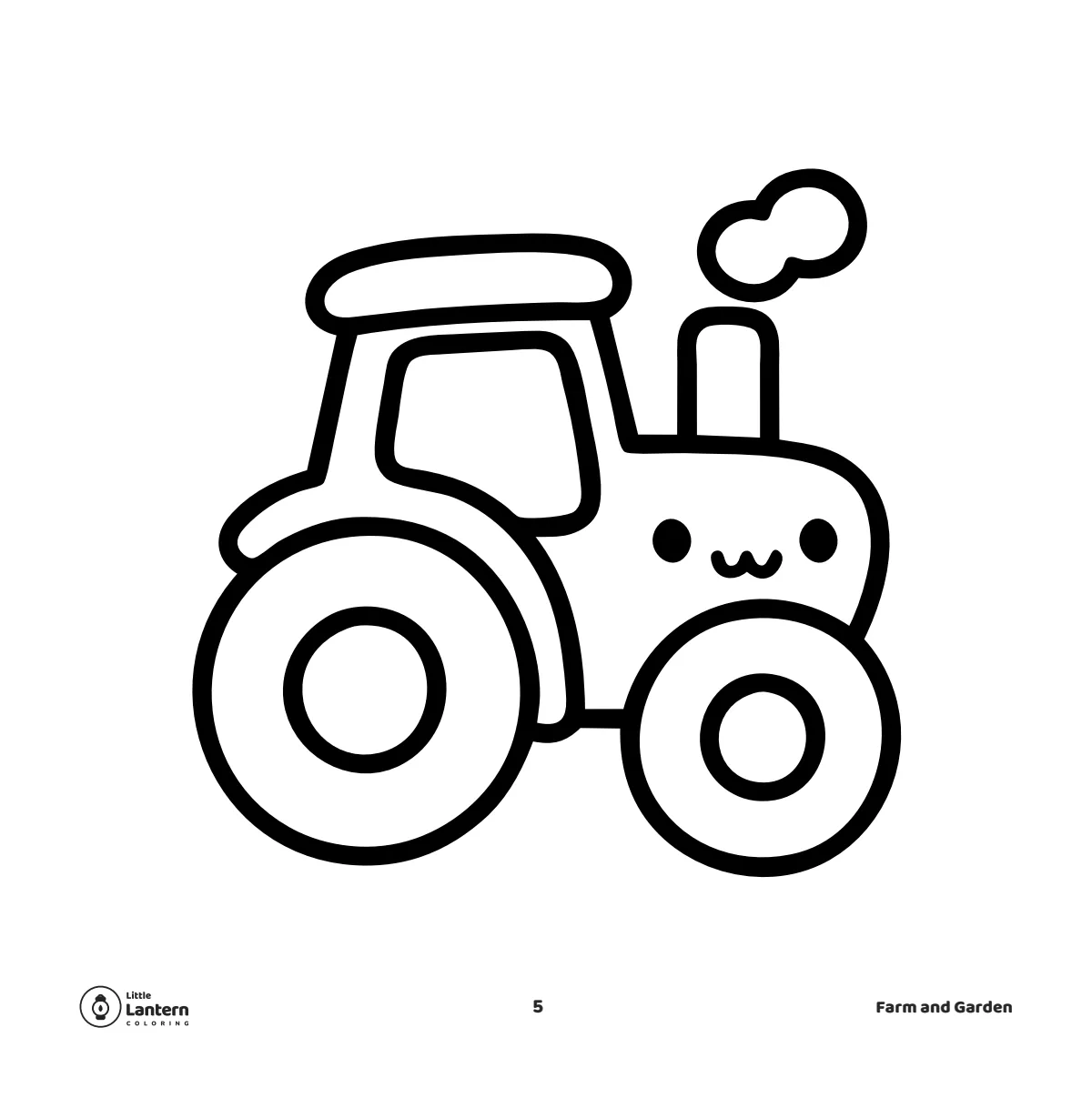
Then give one big shape: a ball, a duck, a tractor, with nothing around it. A page with one subject is a page they can finish, and finishing is what makes them want the next one.
Color beside them
Toddlers copy. Sit down with your own page and color a corner of it, slowly, in the same kind of crayon. You do not need to explain. They will watch how you hold it, where you start and how you go round the edge, and try it themselves.
Color your own page, not theirs. A grown-up’s hand on the child’s picture turns it into the grown-up’s picture.
One part at a time
A whole picture is a lot for a three year old. One part is not. Suggest the body of the duck first, in one color, and then the wing in another. Each part is a small target with an edge they can see, and each one done is something to point at.
Talk about what they do, not how well
Say what you see: “you chose red”, “you went right round the wheel”, “you pressed really hard there”. Zero to Three’s advice on drawing is to notice the process, not just the product, because children learn more when the focus is not on what they have made (Zero to Three).
Do not correct the lines or the colors. Scholastic reports that experts advise against asking young children to color within the lines or correcting how they color; praise the effort instead (Scholastic). A purple cow is a choice.
Leave the grip alone
A toddler holding a crayon in a fist is at a stage, not doing it wrong. The grip changes on its own over several years, and the same NHS leaflet says most children master a three-finger grip by six or seven, so there is no need to worry if it is not there when they start school (Aneurin Bevan University Health Board). Correcting it at three tends to stop the coloring without changing the grip.
Build the hand away from the page
The strength and control coloring needs grow fastest in play that has nothing to do with paper. The NHS leaflet lists pinching playdough, threading big beads, using pegs, and painting at an easel, among others (Aneurin Bevan University Health Board). A child who does those things comes back to the coloring book with a stronger hand.
Stop while it is fun
Five good minutes are worth more than twenty cross ones. End when the part is finished, or when attention drifts, and say what comes next time: the wheels, the sky, the other duck. A session that stops while it is going well is one they will ask for again.
If you want one of ours
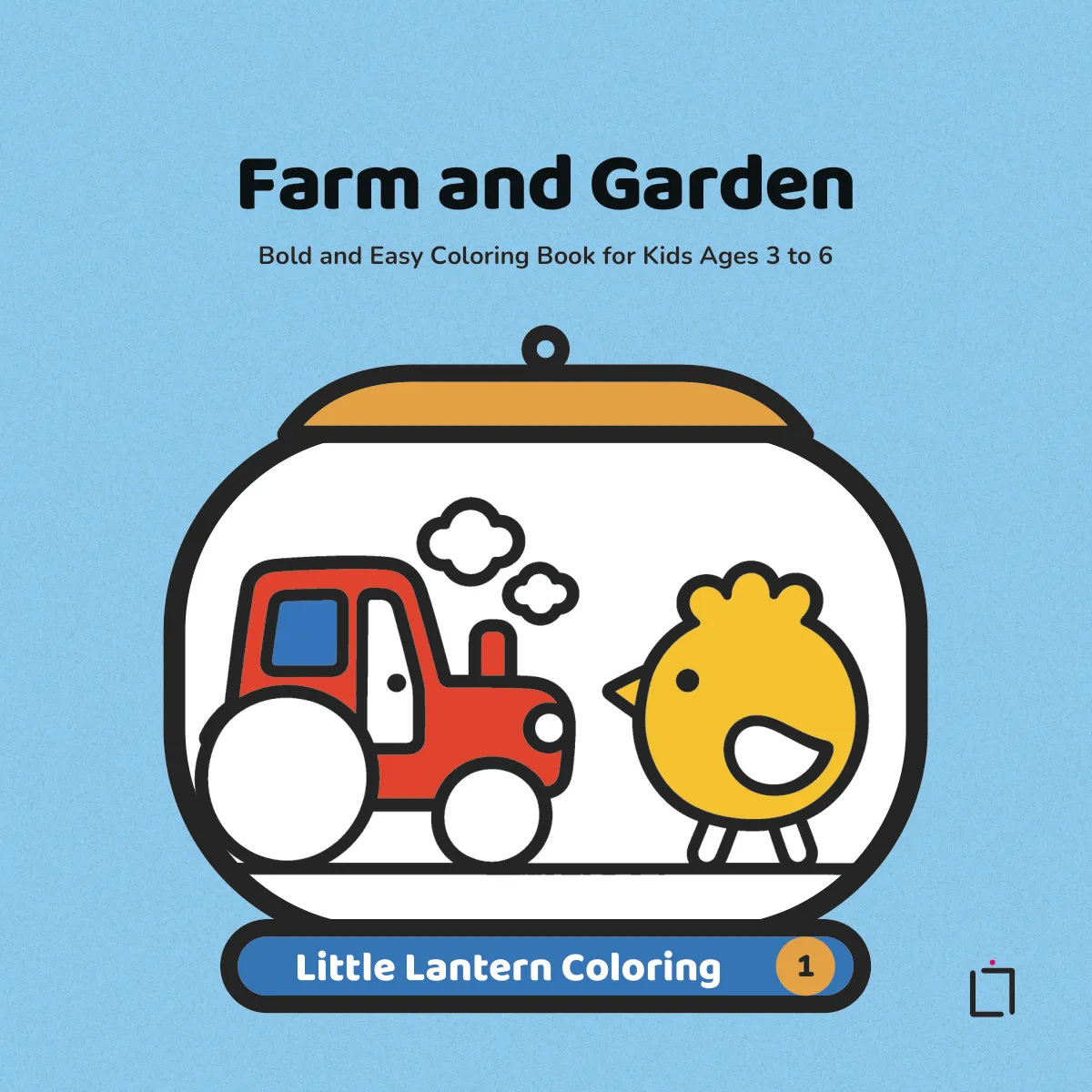
This part is about our own books, so weigh it accordingly. Little Lantern Coloring gives a toddler the one big shape this guide starts with: a single subject on every page, outlines about 1.8 mm thick, and every space at least a centimetre across, so a chunky crayon fills it. Farm and Garden, for ages 3 to 6, is the first volume and goes on sale in November; the tractor above is from it.
Sources
- Zero to Three. Learning to write and draw, 24 February 2017. Scribbling from about 15 months to 2½ years, from the shoulder with the crayon in a fist; notice the process, not just the product.
- Aneurin Bevan University Health Board, Occupational Therapy Service for Children and Young People. Development of a tripod pencil grip. Chunkier tools may help young children; activities that build the hand; most children master the tripod grip by 6 or 7.
- Kelsey Kloss, Scholastic Parents. That magical moment your preschooler starts coloring inside the lines, 14 December 2018. Experts advise against asking children to color within the lines or correcting them; praise the effort.