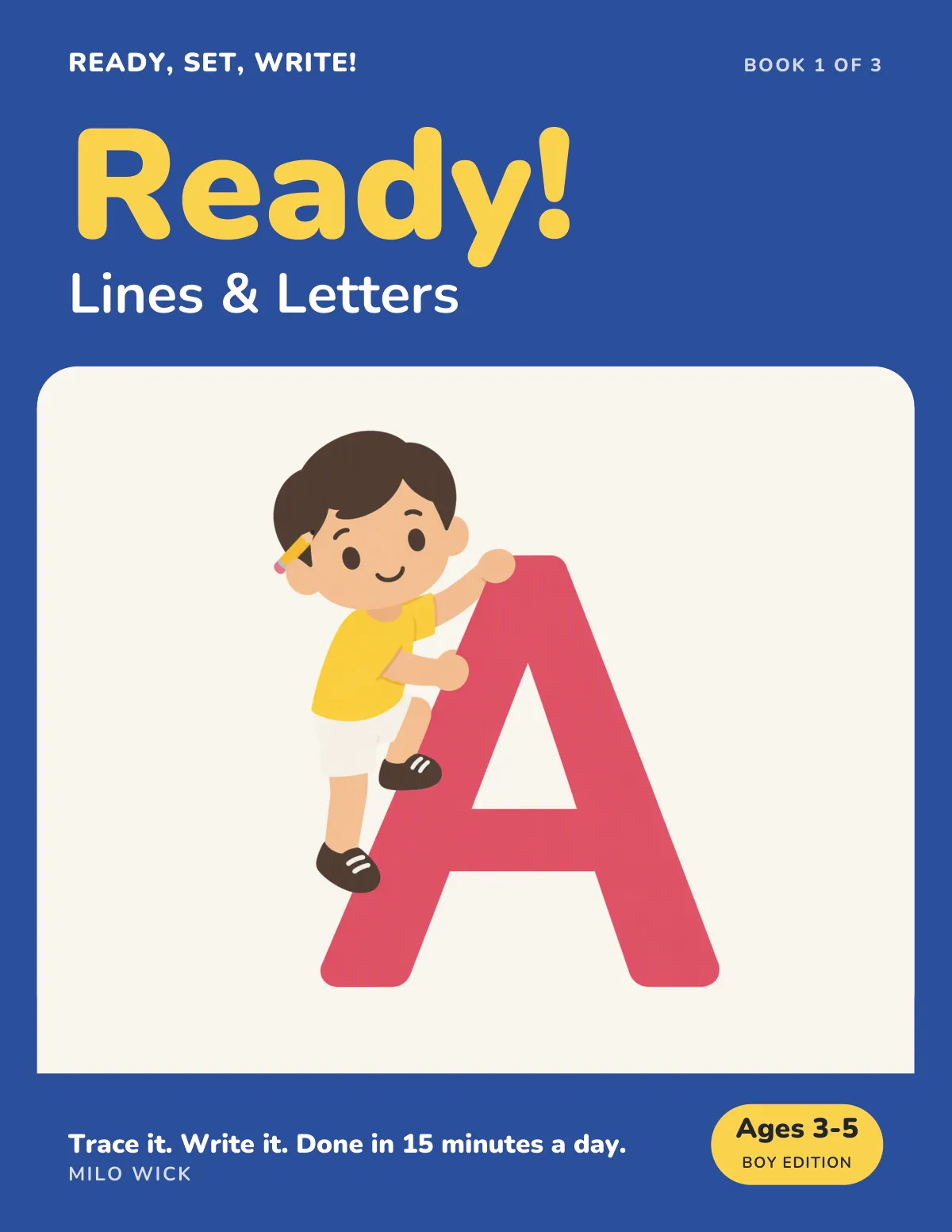
Capitals first, for a child of 3 or 4 who is learning to form letters. Lowercase first, for reading. The two answers are not in conflict, and the reason is in the hand.
Two questions wearing one hat
“Should I teach uppercase or lowercase first?” is really two questions, and the argument about it usually comes from people answering different ones.
The first is about reading: which letters should a child learn to recognise first? Here the case for lowercase is strong. More than nine in ten of the letters in printed English are lowercase (about 95 in 100, in a count of 183 million words by Jones and Mewhort), and a child who knows only capitals is reading a different alphabet from the one in their books.
The second is about writing: which letters should a child learn to form first? Here the case for capitals is strong, and this guide is about that question, because it is the one a handwriting book has to answer. A child can learn to recognise both cases at once from the letters around them. A child learning to make them with a pencil needs an order.
Why capitals are easier to write
Four things make capitals the easier set for a hand of 3 or 4.
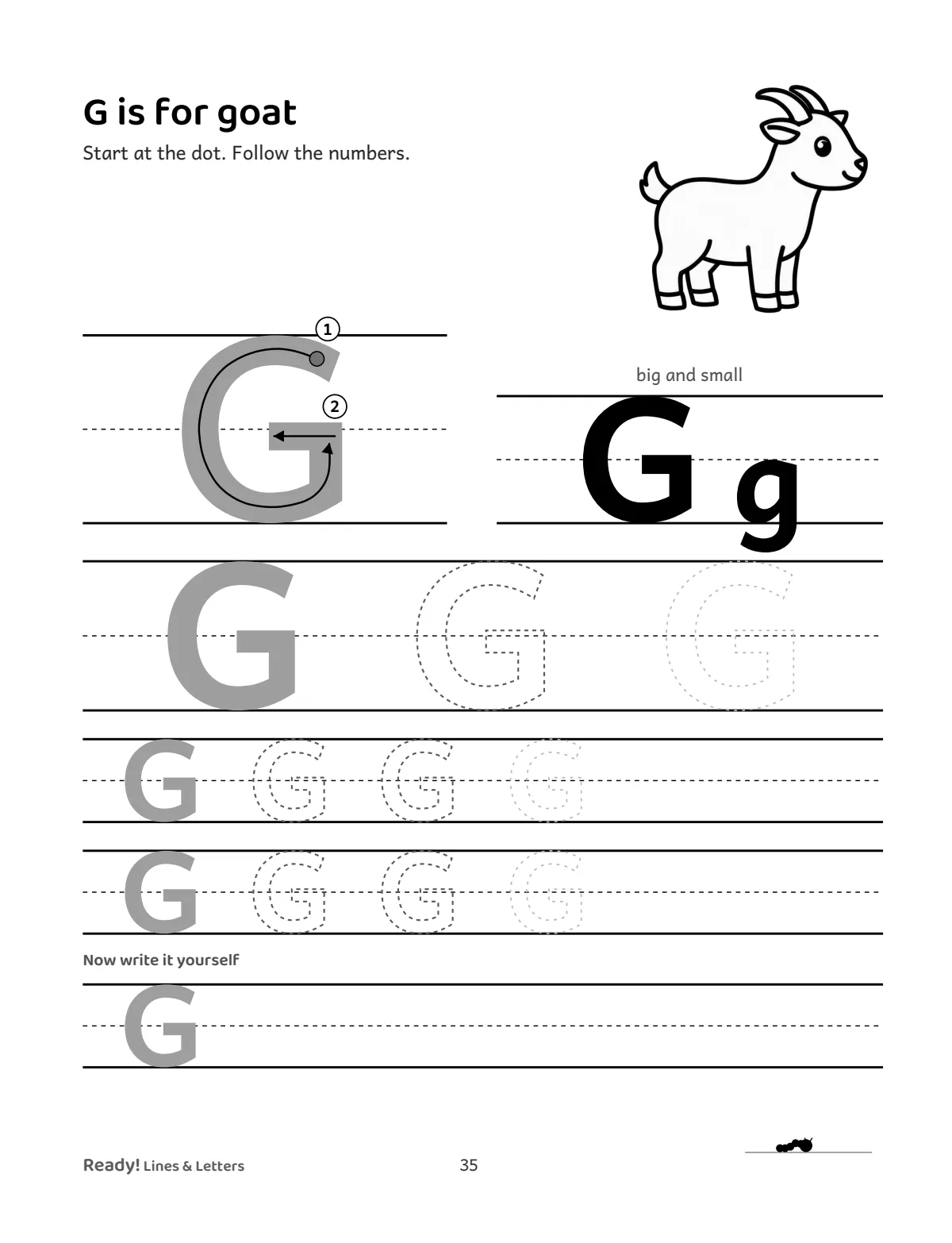
The strokes are simpler. Most capitals are straight lines and large curves: L, T, E, F, H and I are nothing but lines; D, P, B and R add one curve to a line; O, C, G and Q are one curve. The lowercase letters are smaller, rounder, and full of curves that change direction. A lowercase a is a circle with a line that has to touch it at exactly the right place; a capital A is three straight strokes.
They all start at the top. Every capital starts at the top line and most of them start at the top left. A child has one rule to learn: go to the top, then come down. The lowercase letters start in three different places, at the top, at the middle line, or in the middle of a curve, and a 3 year old who has to remember where each one starts will guess.
They are easier to tell apart. b, d, p and q are one shape in four positions, and a 4 year old’s eye does not yet treat a shape turned round as a different thing. B, D, P and Q share less, and the capitals that do mirror each other are few. Reversals are normal in the first years of school with any letters, and the letters that face left, like d and J, are reversed most (Treiman and colleagues, 2014), but the capitals give a young hand fewer chances to make them.
They are all the same size. Every capital fills the row from the bottom line to the top. The lowercase letters come in three heights, with ascenders, descenders and small letters that sit between the lines, so writing them means judging size as well as shape. A row of capitals is a row of one height, and a 3 year old can manage one height.
There is a fifth reason that has nothing to do with the hand. The letters a child sees first, on their coat peg, on their birthday card, on the fridge, are capitals, and the first word they want to write is their own name. A child who can write MAYA in capitals at 3 and a half has written a word, and the feeling of that is worth more than the case.
What the evidence actually says
It is worth being honest about the state of the research, because the question gets argued with more confidence than the evidence supports.
Occupational therapists, who see the hands, often recommend capitals first for forming letters. Handwriting Without Tears, the American programme written by two occupational therapists, teaches capitals first, for the reasons above: every capital starts at the top, fills the same height and is made of simple lines and curves. Reading specialists mostly want lowercase recognised early, for the reason above.
The school programmes do not agree with each other. Zaner-Bloser, the other large American programme, teaches each lowercase letter with its capital, grouped by the strokes the lowercase letter is made of. The national curriculum in England lists lowercase first: in Year 1, at 5 and 6, children are taught to “begin to form lower-case letters in the correct direction”, and then to “form capital letters”. So the order a child meets at school depends on where the school is, and a child who arrives knowing capitals has a head start in either case.
What nobody has, as far as we can find, is a controlled study that teaches one group capitals first and another lowercase first and measures the difference a year on. There is evidence that children learn the lowercase letters through the capitals they already know. In a study of 461 preschoolers aged 3 to 5, knowing a capital was the strongest predictor of knowing its lowercase letter: a child who knew the capital was more than 16 times as likely to know the lowercase one (Pence Turnbull and colleagues, 2010). Children’s own names shape which letters they know in both cases (Treiman and Kessler, 2004). That is about naming letters, not forming them, but it points the same way as the practice. The choice of which to write first still rests on the judgment of people who teach it, not on a trial, and anyone who tells you otherwise is selling a method.
So the position here is a judgment too: for forming letters, capitals first, because the hand says so; for recognising letters, both at once, because the books say so.
What “first” means
Capitals first does not mean capitals only, and it does not mean lowercase late. It means the hand learns to form the easier set before the harder one, and the gap between them is months, not years.
A reasonable sequence for a child who starts at 3 or 4 is this. Lines, shapes and the capitals in the first year, in stroke order rather than alphabetical order, with the child’s name written in capitals as soon as its letters are there. Then, at 4 or 5, the lowercase letters, starting with the ones that are small versions of their capital (c, o, s, v, w, x, z), so the first lowercase letters are shapes the hand already knows, and moving on to the ones with a tall stroke (b, d, h, k, l, t) and the ones that drop below the line (g, j, p, q, y).
Through all of that the child should be seeing both cases on everything they read, and should be told, when they ask, that the big A and the small a are the same letter in two coats.
One thing to avoid
The one real cost of capitals first is a child who writes everything in capitals at 5 and a half and has to be moved off it in the first term of school. It happens, and it happens because the lowercase letters were never taught at home, not because the capitals were taught first.
The fix is simple: once the capitals are there, start the lowercase. Do not let the name stay MAYA for two years; move it to Maya as soon as the lowercase letters in it can be formed, which is how a school will write it. How to teach a child to write their name goes through the switch.
How the books do it
The series this site is about takes the position above and builds it into three books. Book 1, for 3 to 5, is lines, shapes and the capitals, one page each, in rows three quarters of an inch tall. Book 2, for 4 to 6, is the lowercase letters and the numbers, in a shorter row, with pages that match each capital to its lowercase so the child sees them as one letter. Book 3, for 5 to 6, puts them into words and sentences.
If you want the method rather than the books, how to teach a preschooler to write letters has the seven steps, and if you are choosing between books, the best letter tracing books for preschoolers, compared says which of eight start with capitals, which with both cases at once, and what that means for a 3 year old.
How to write each capital letter
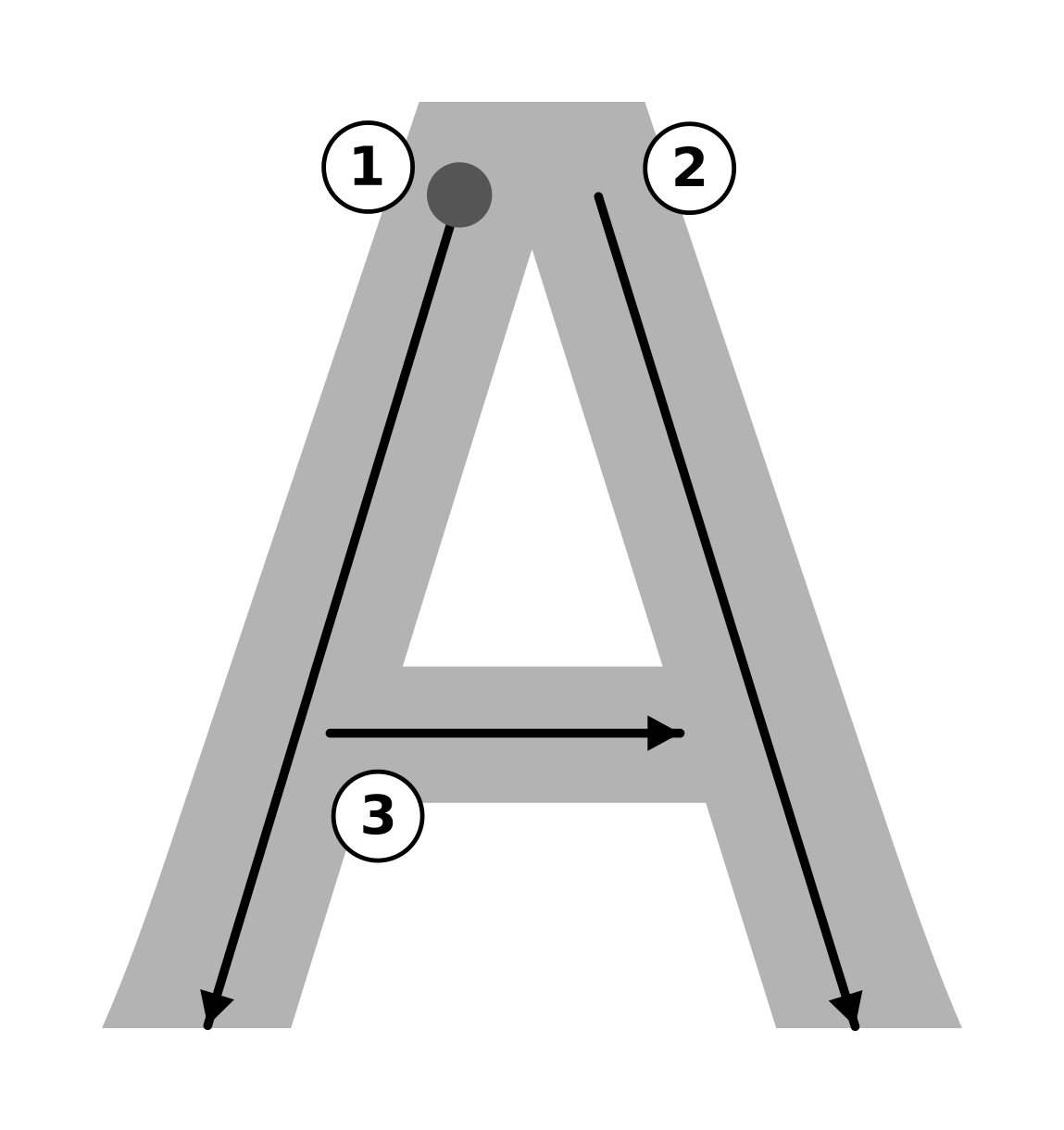
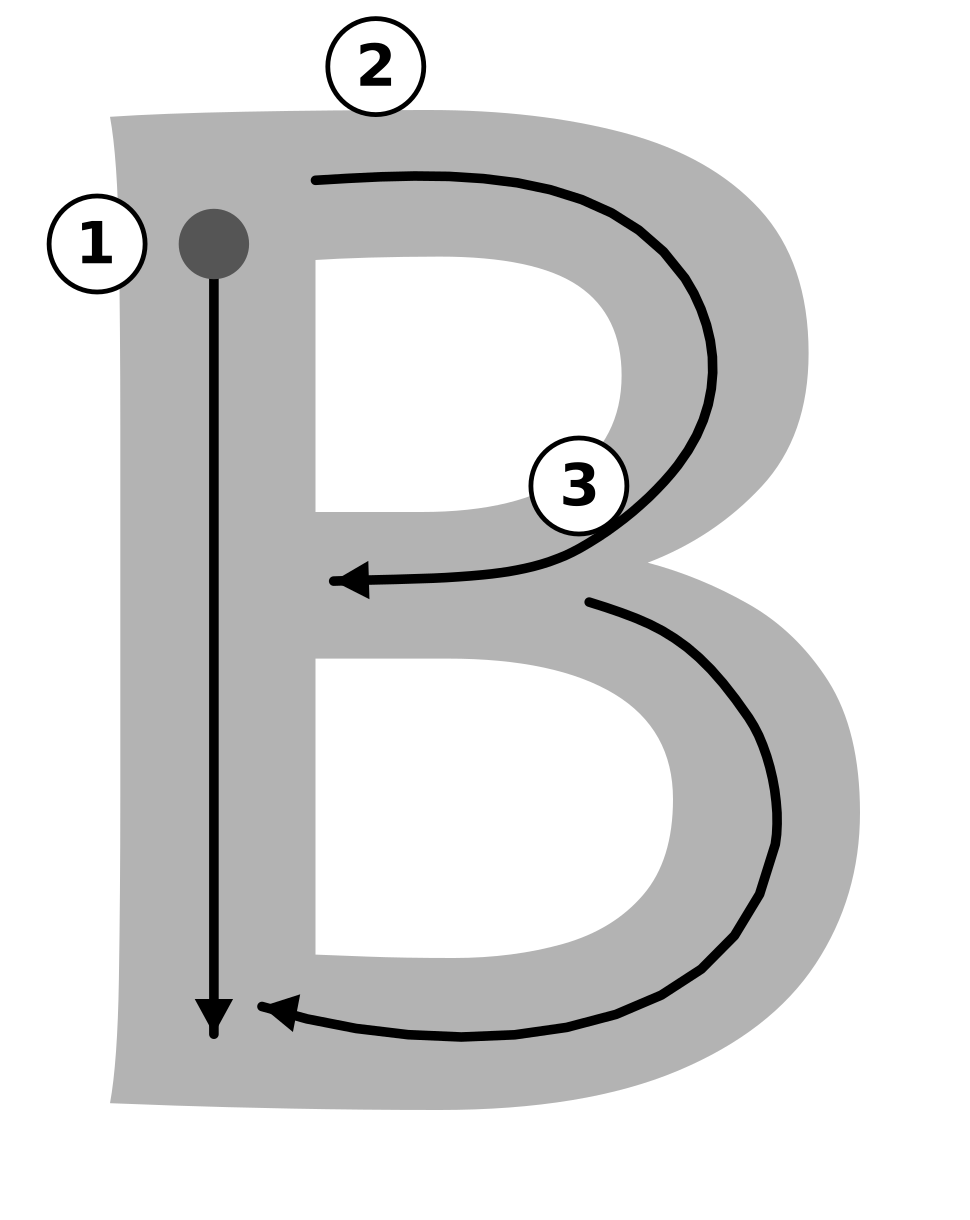
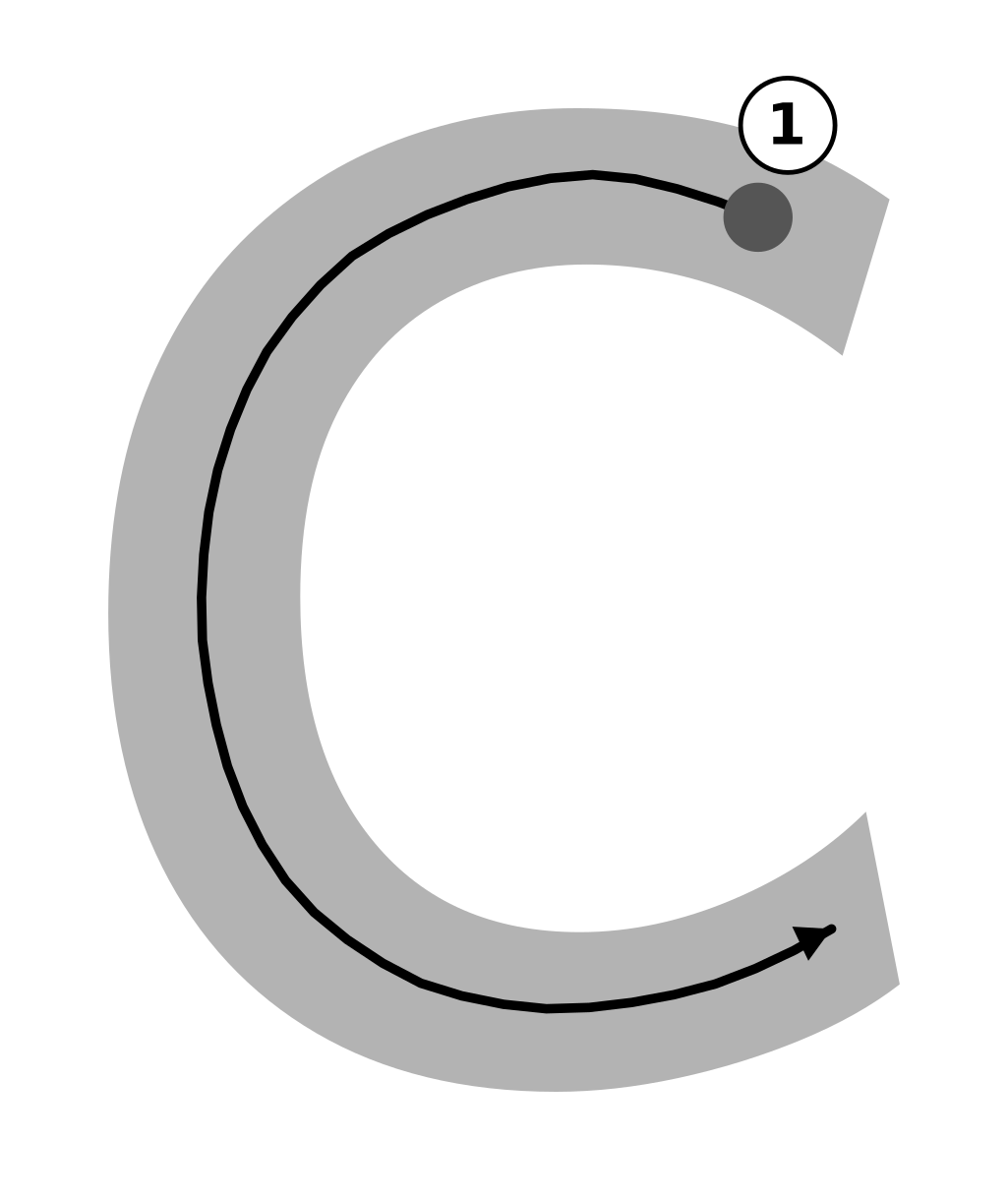
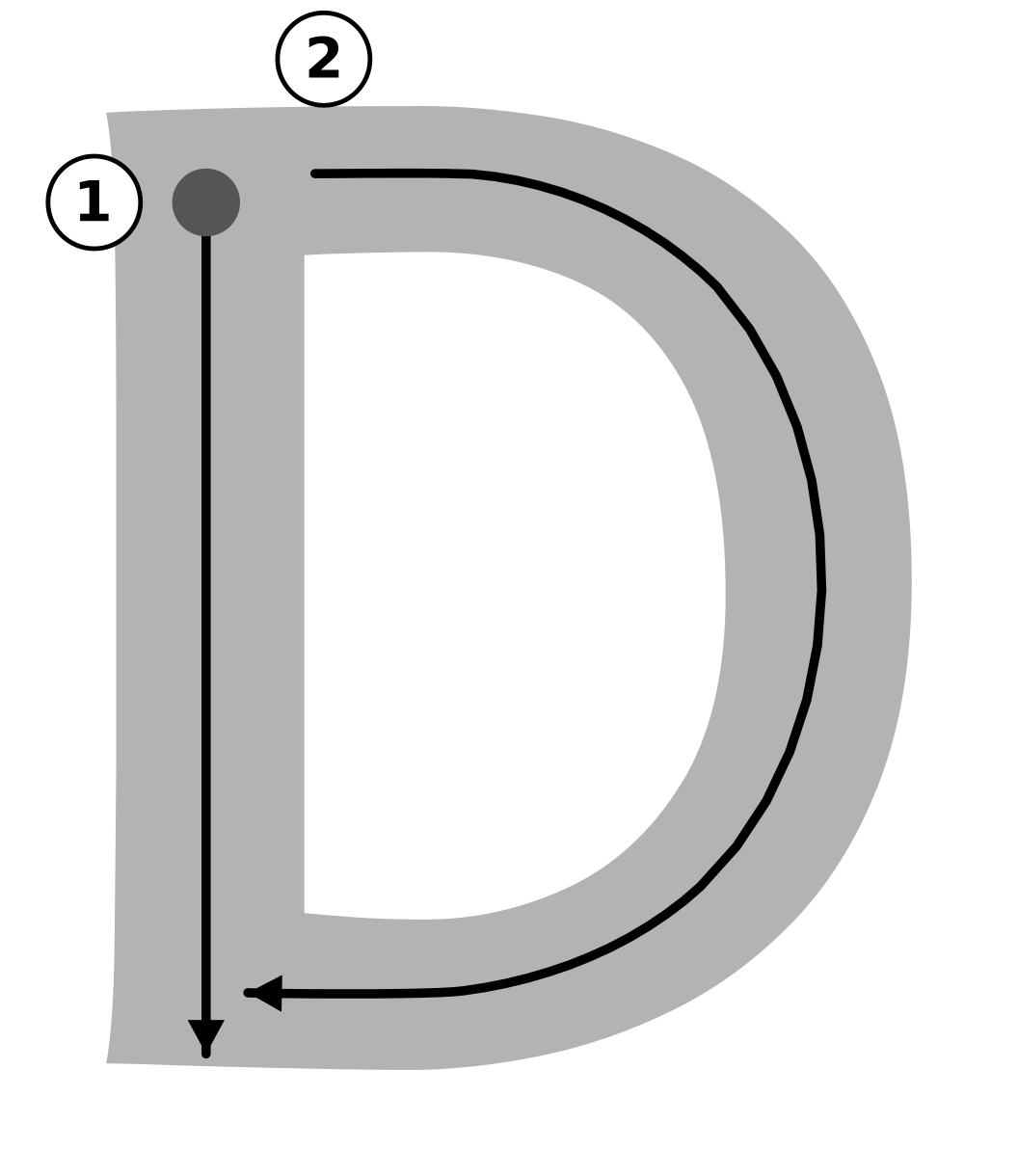
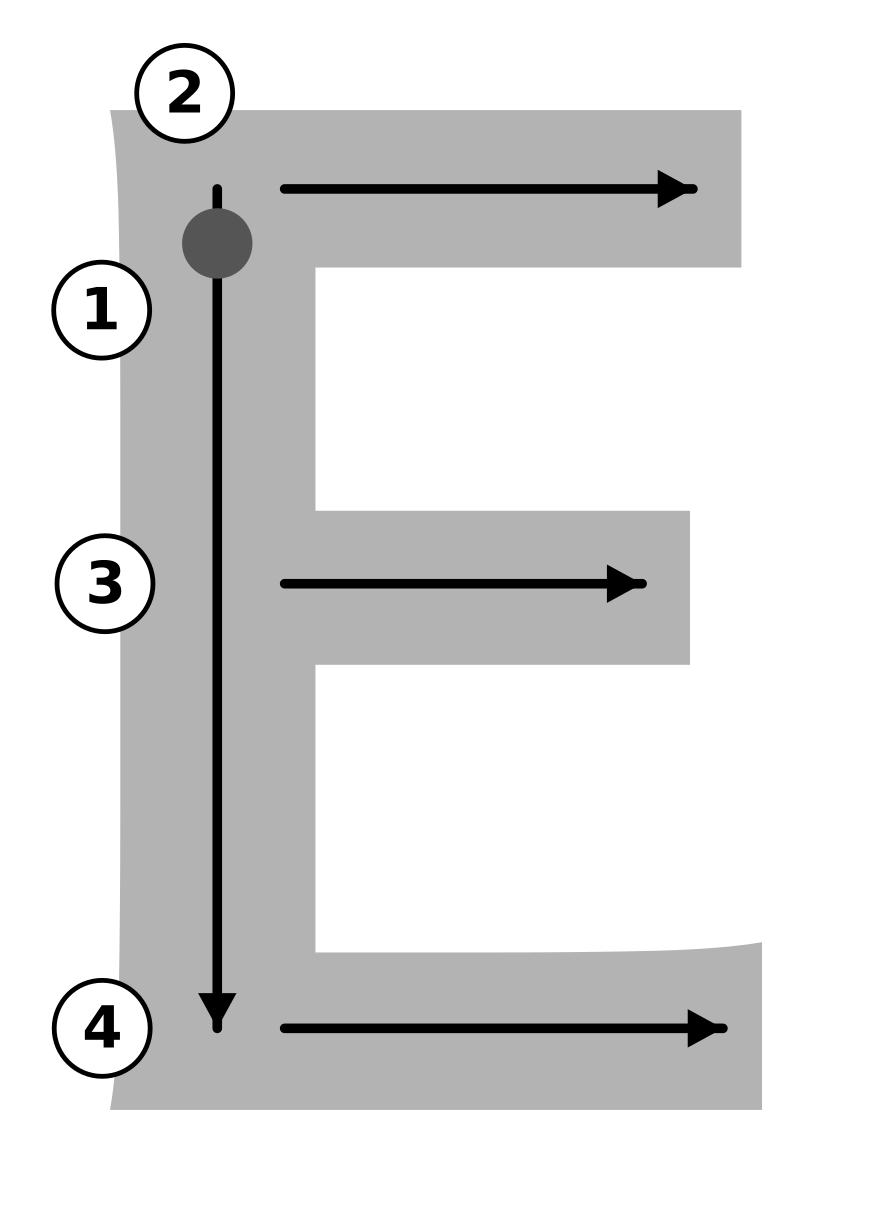
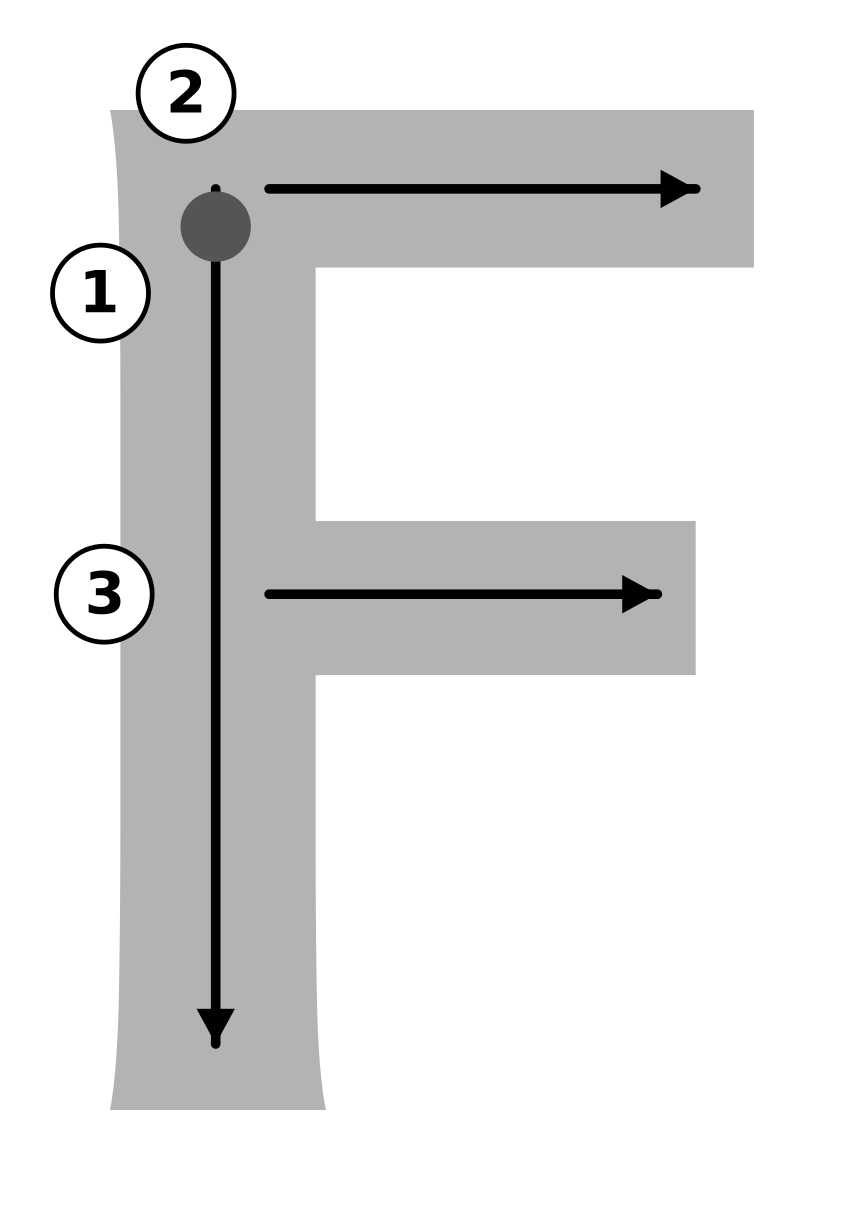
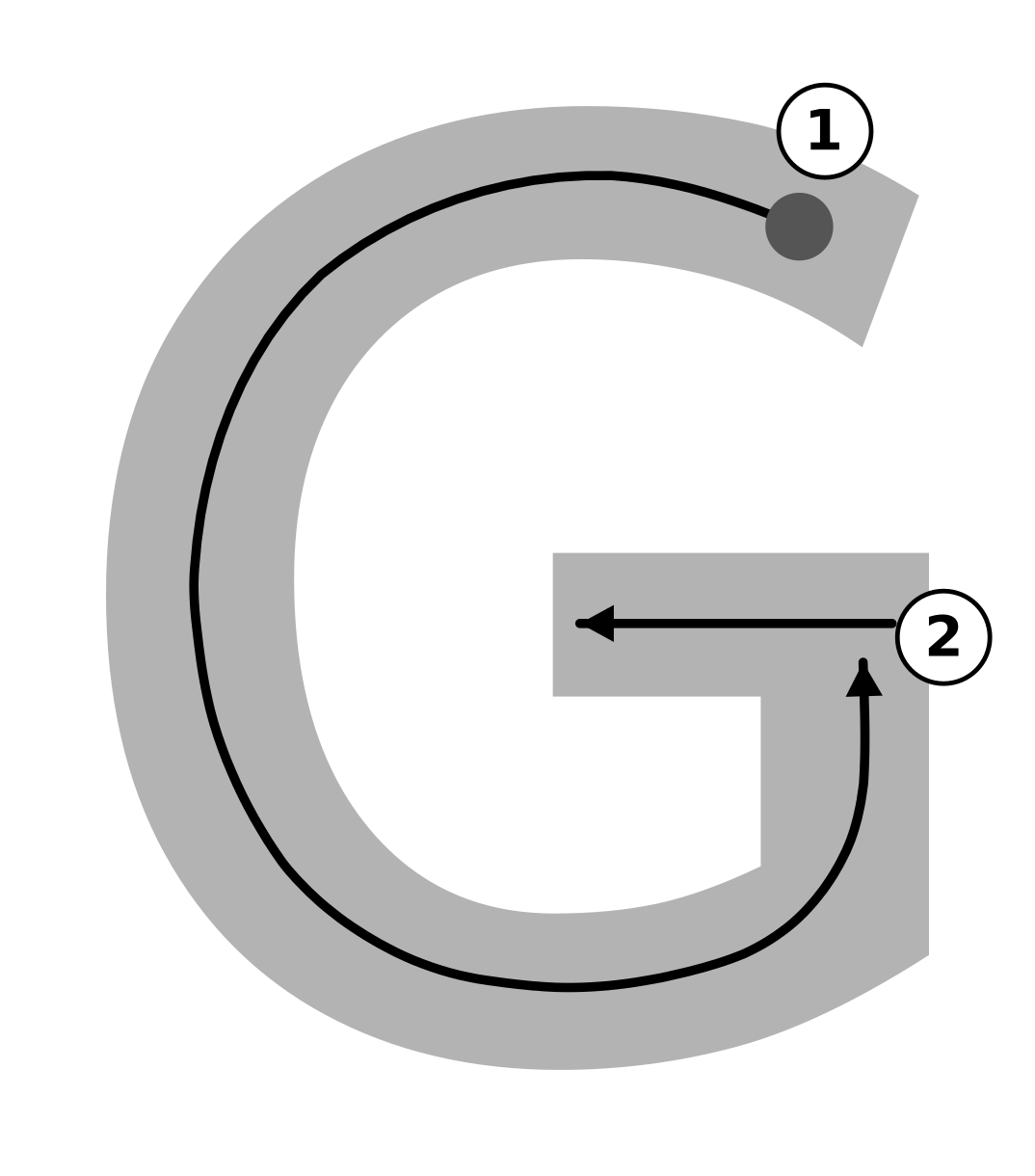
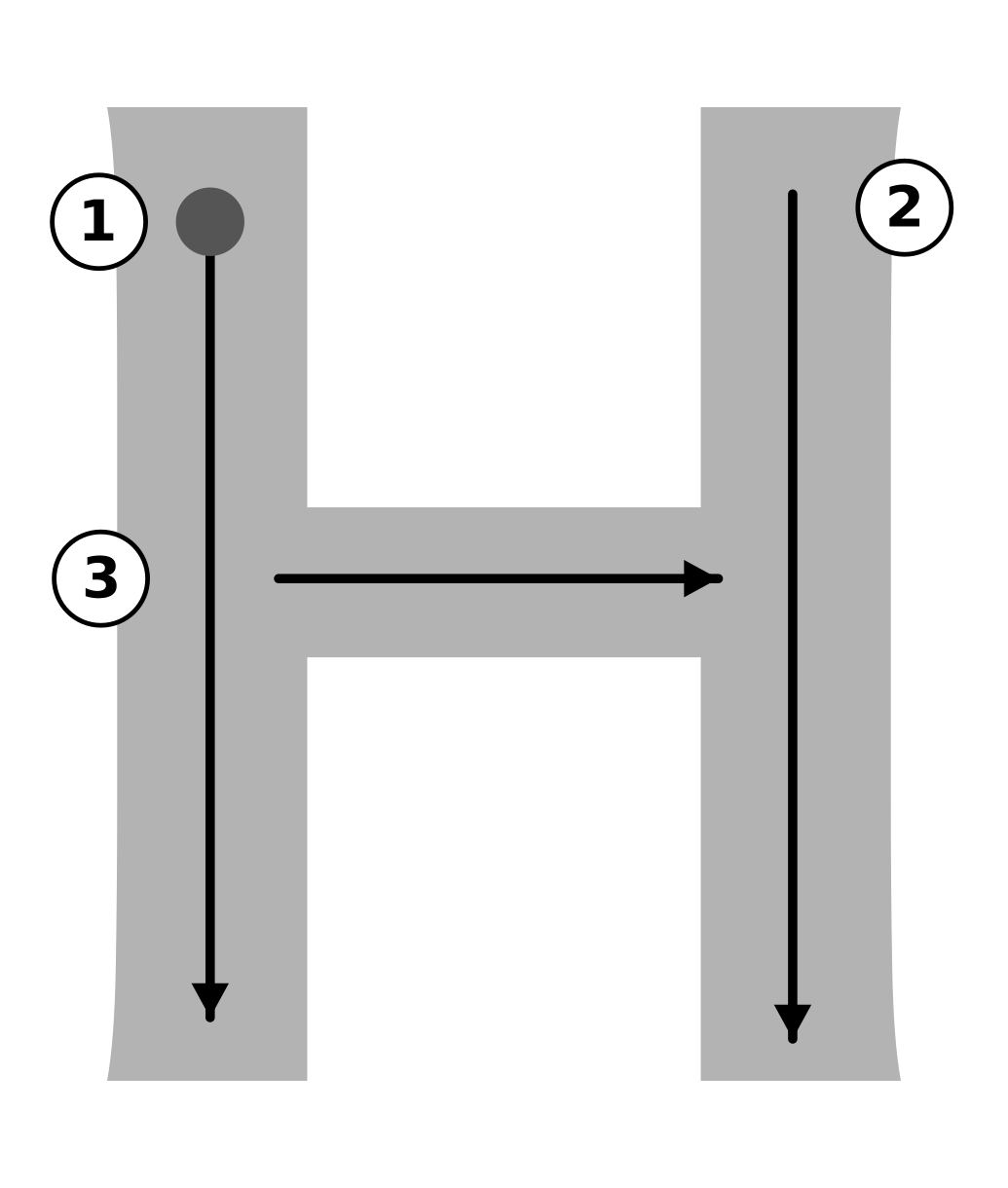
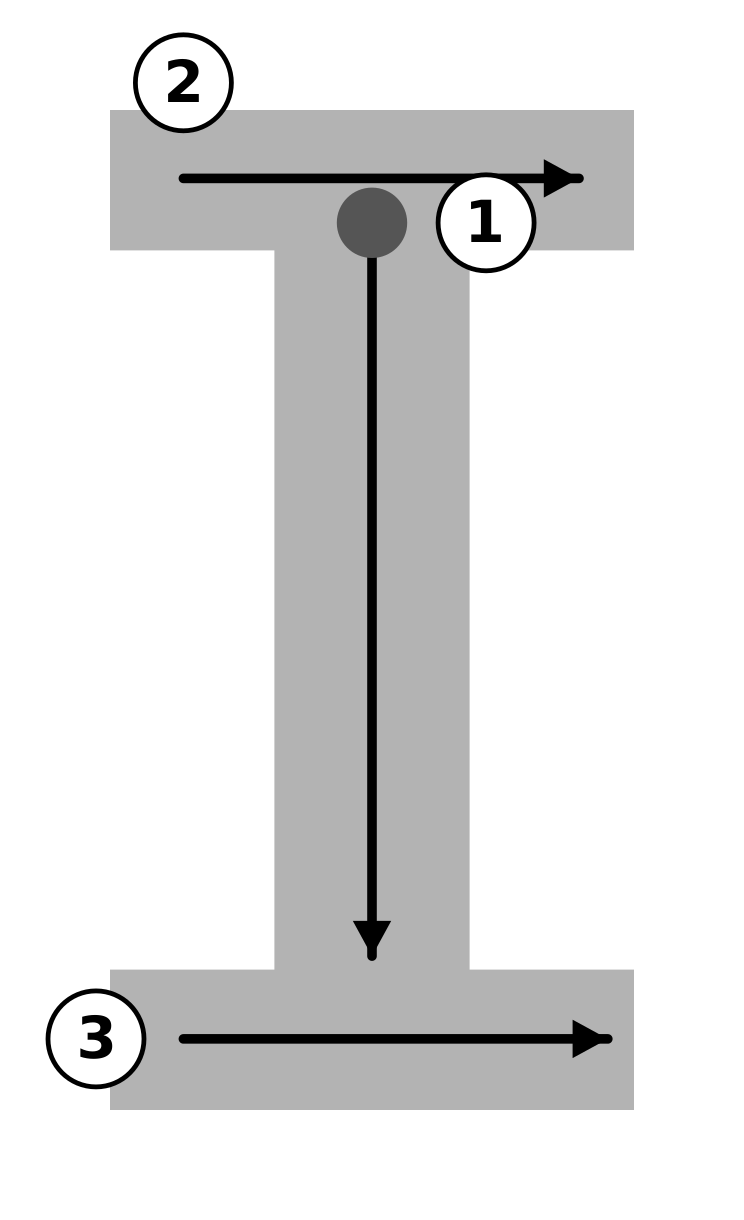
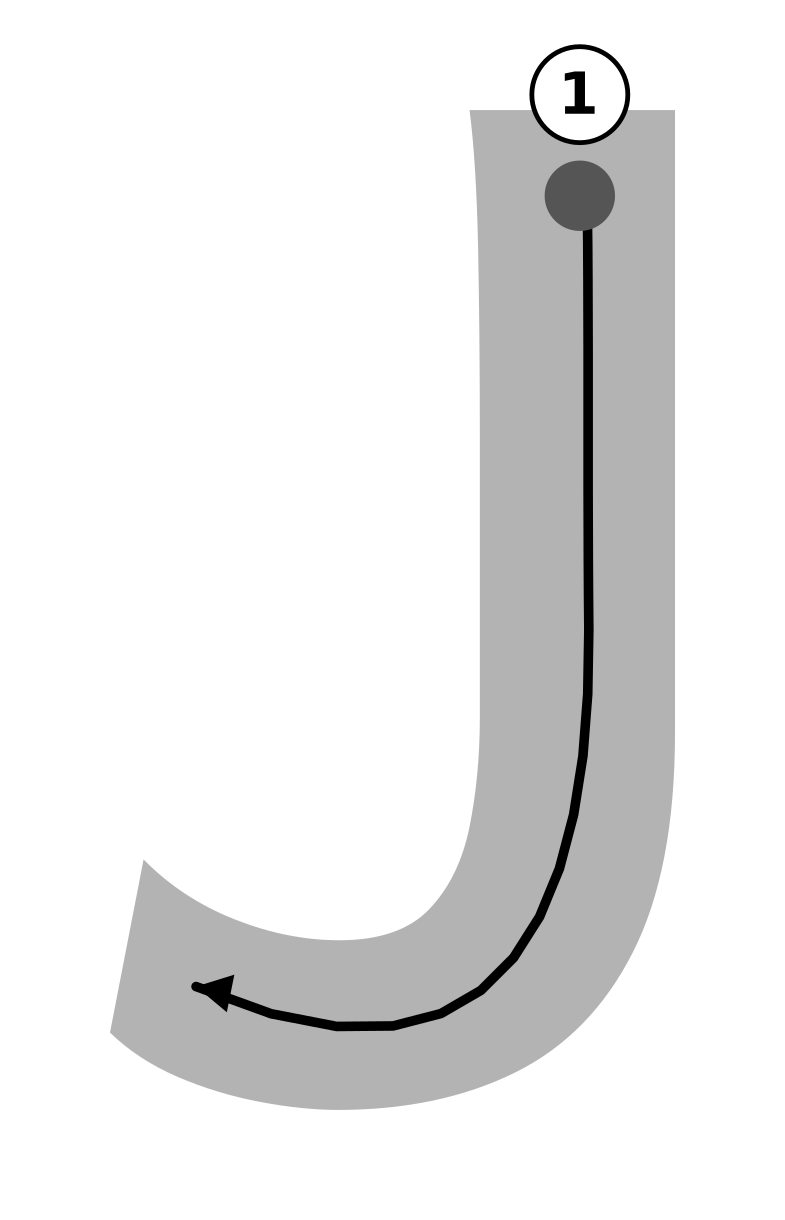
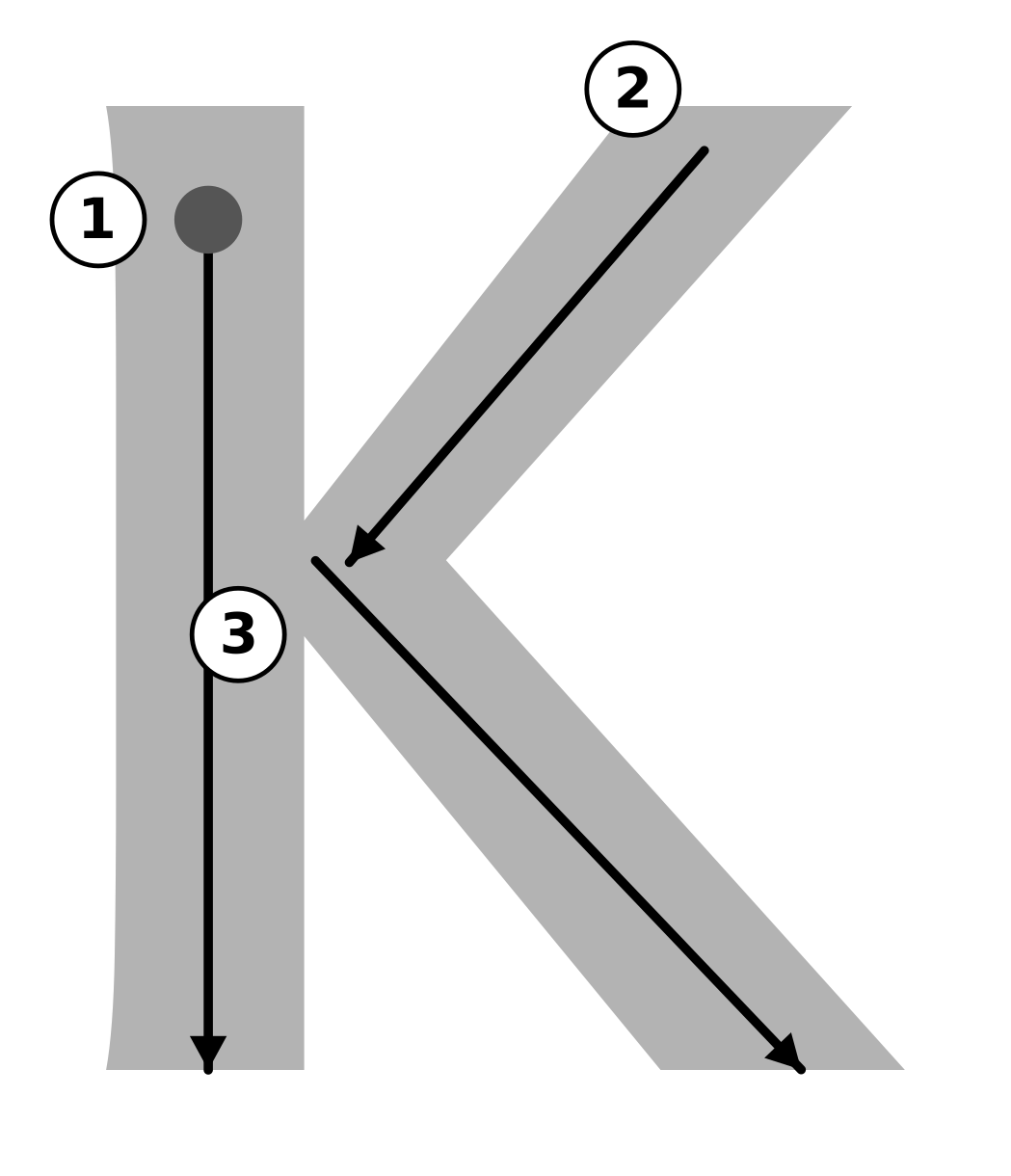
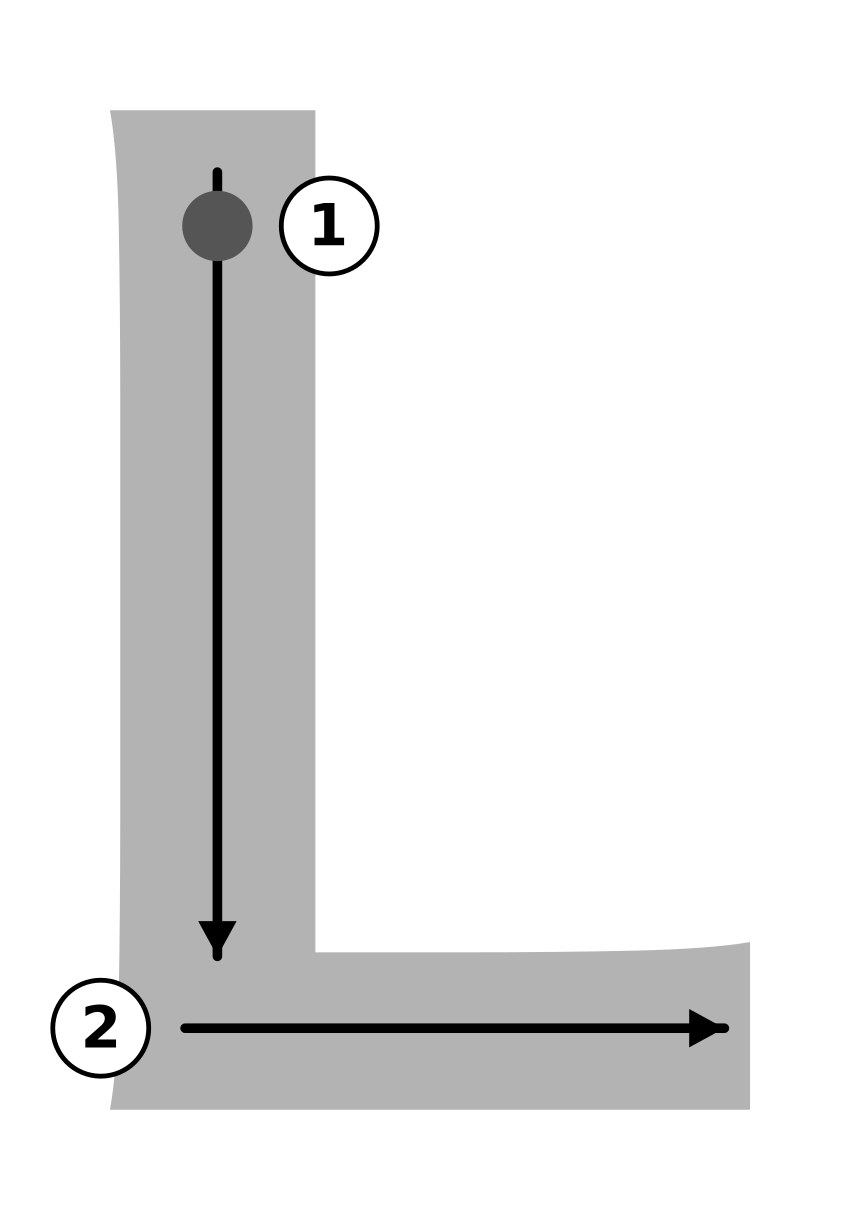
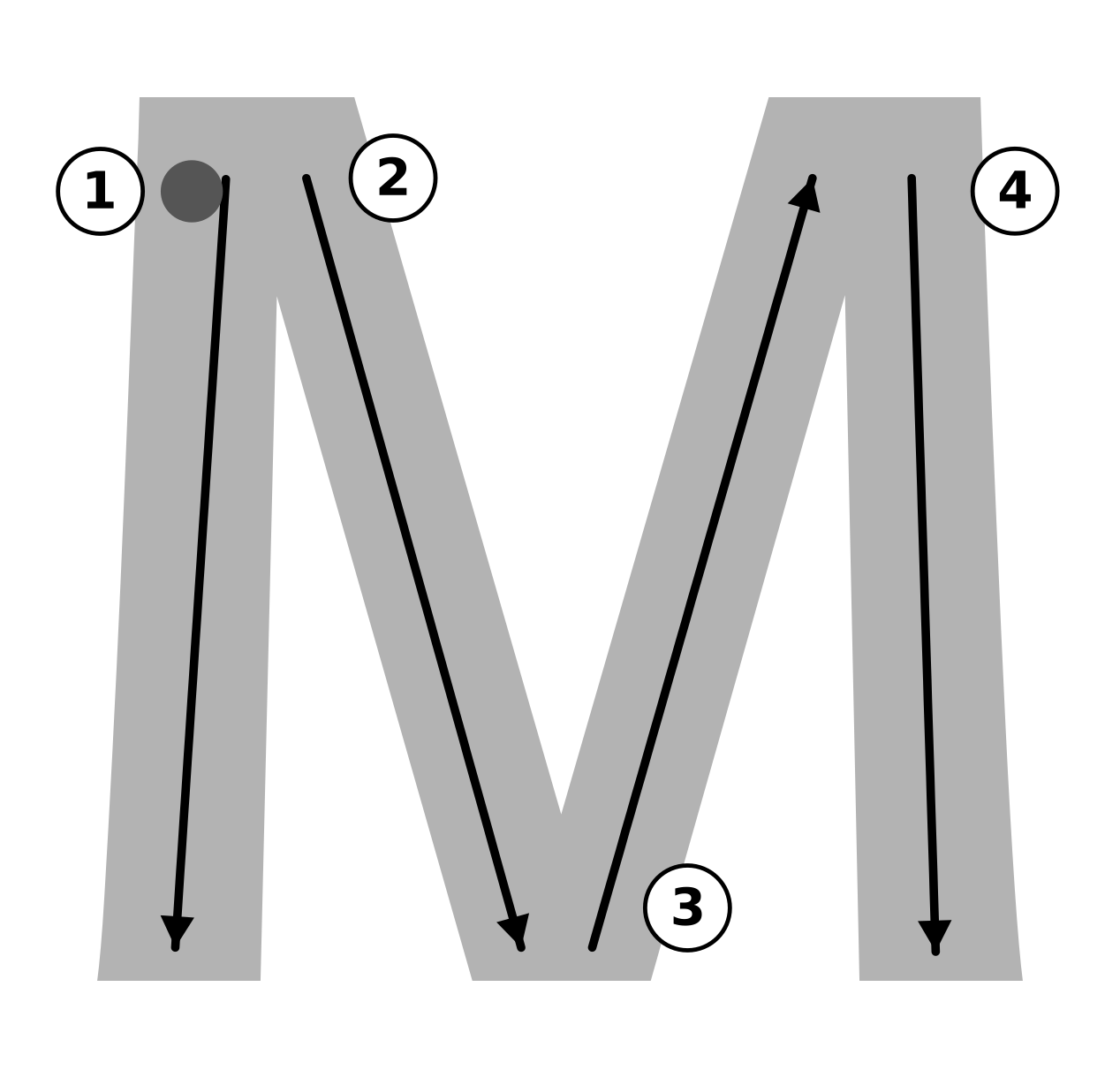
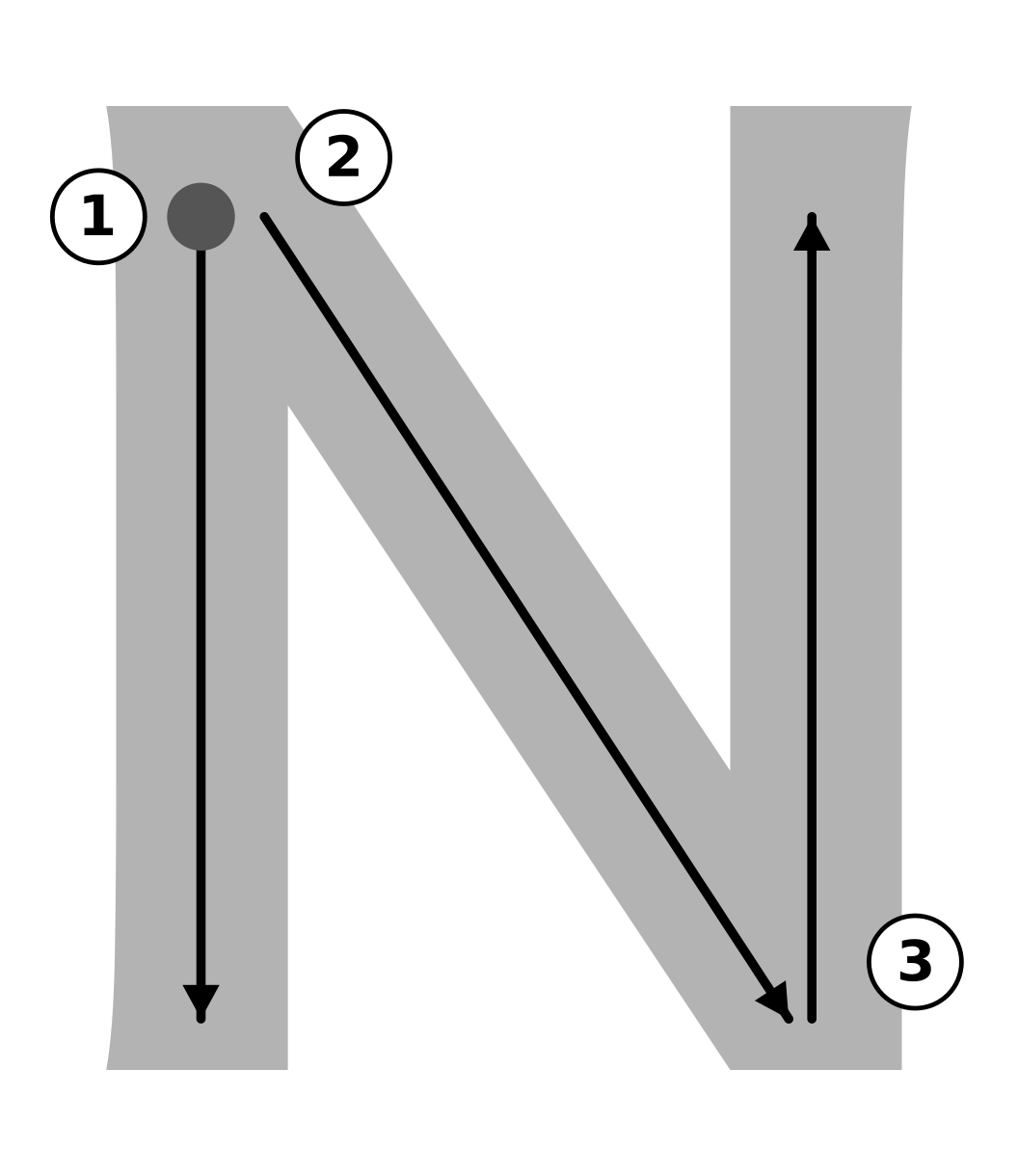
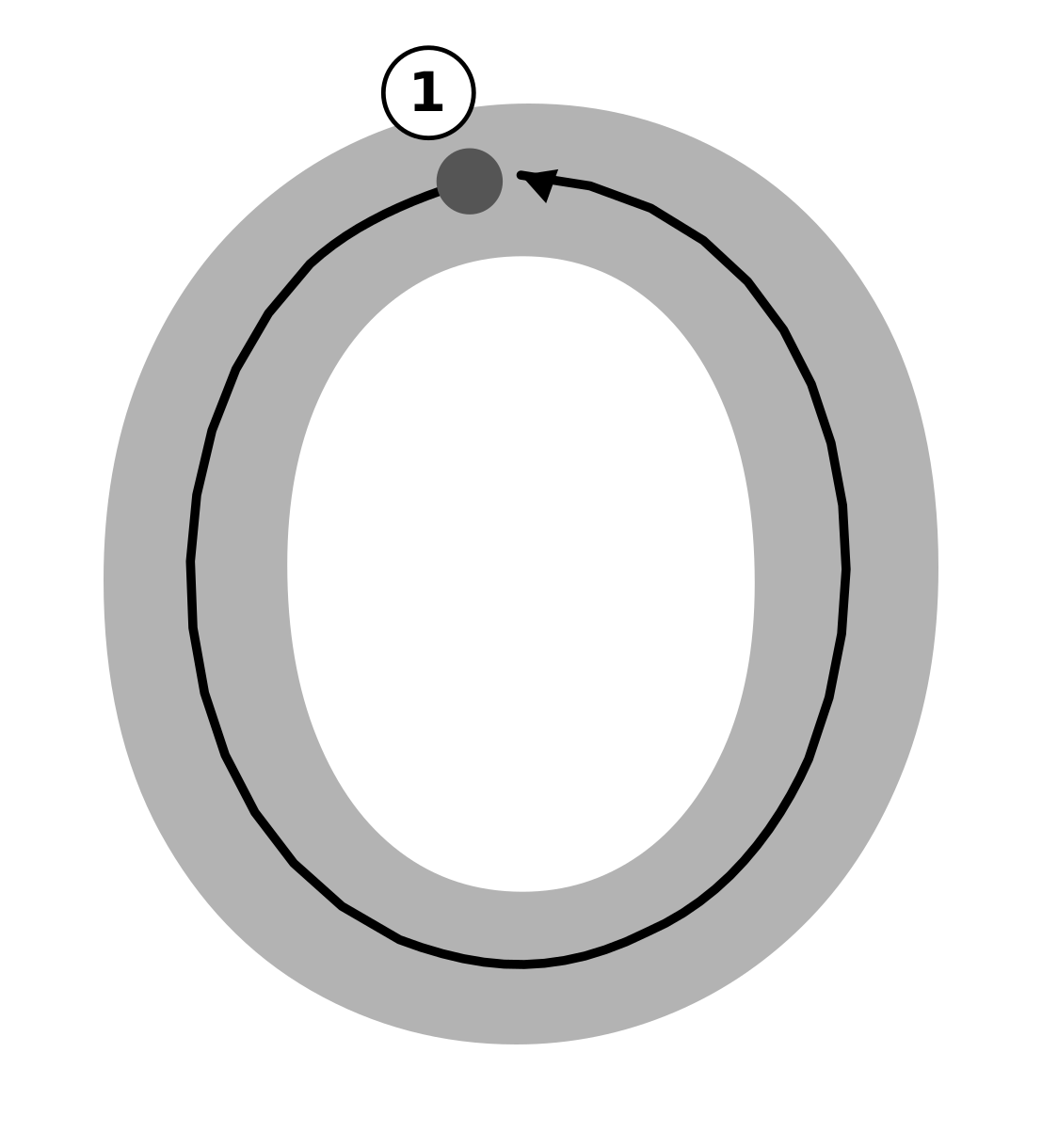
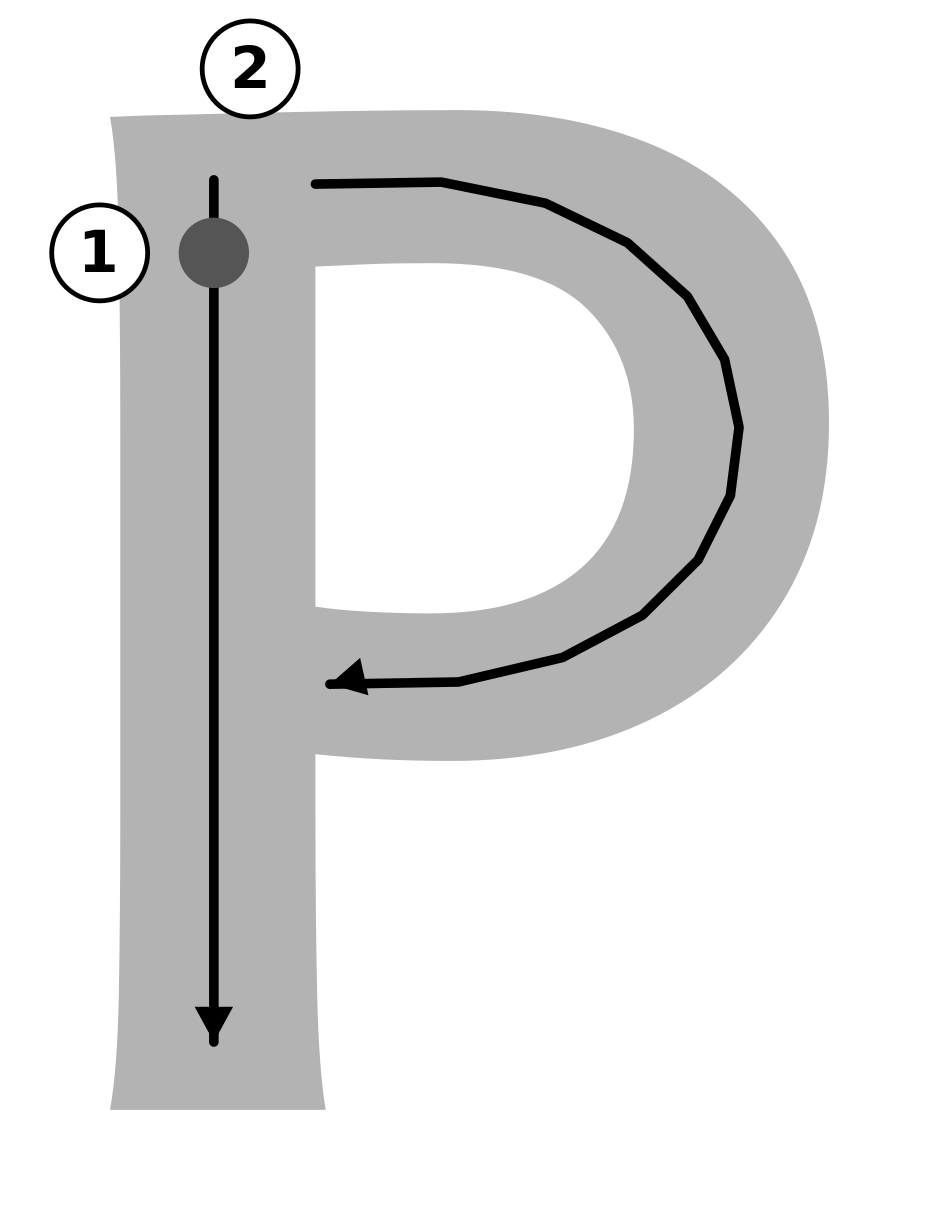
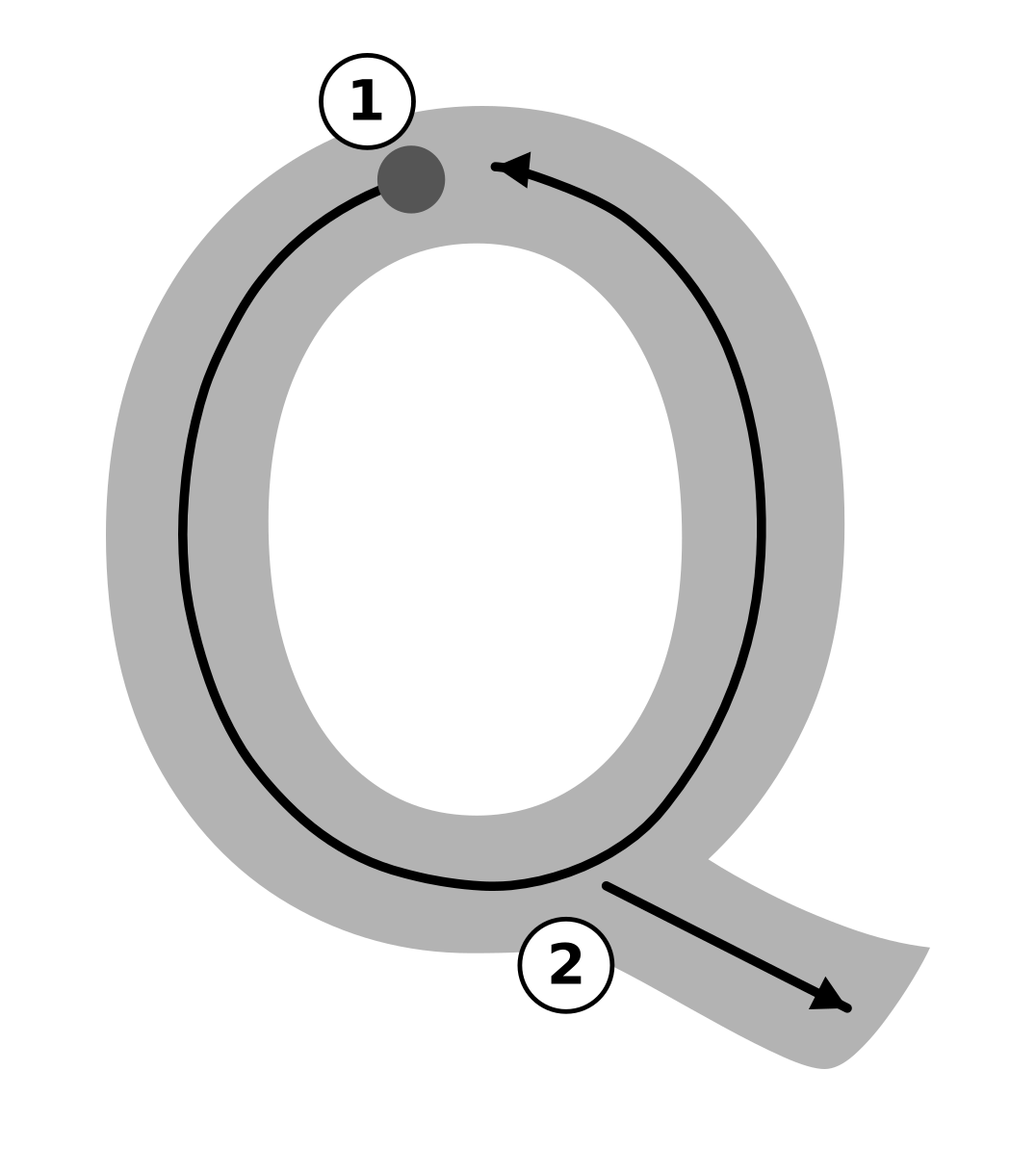
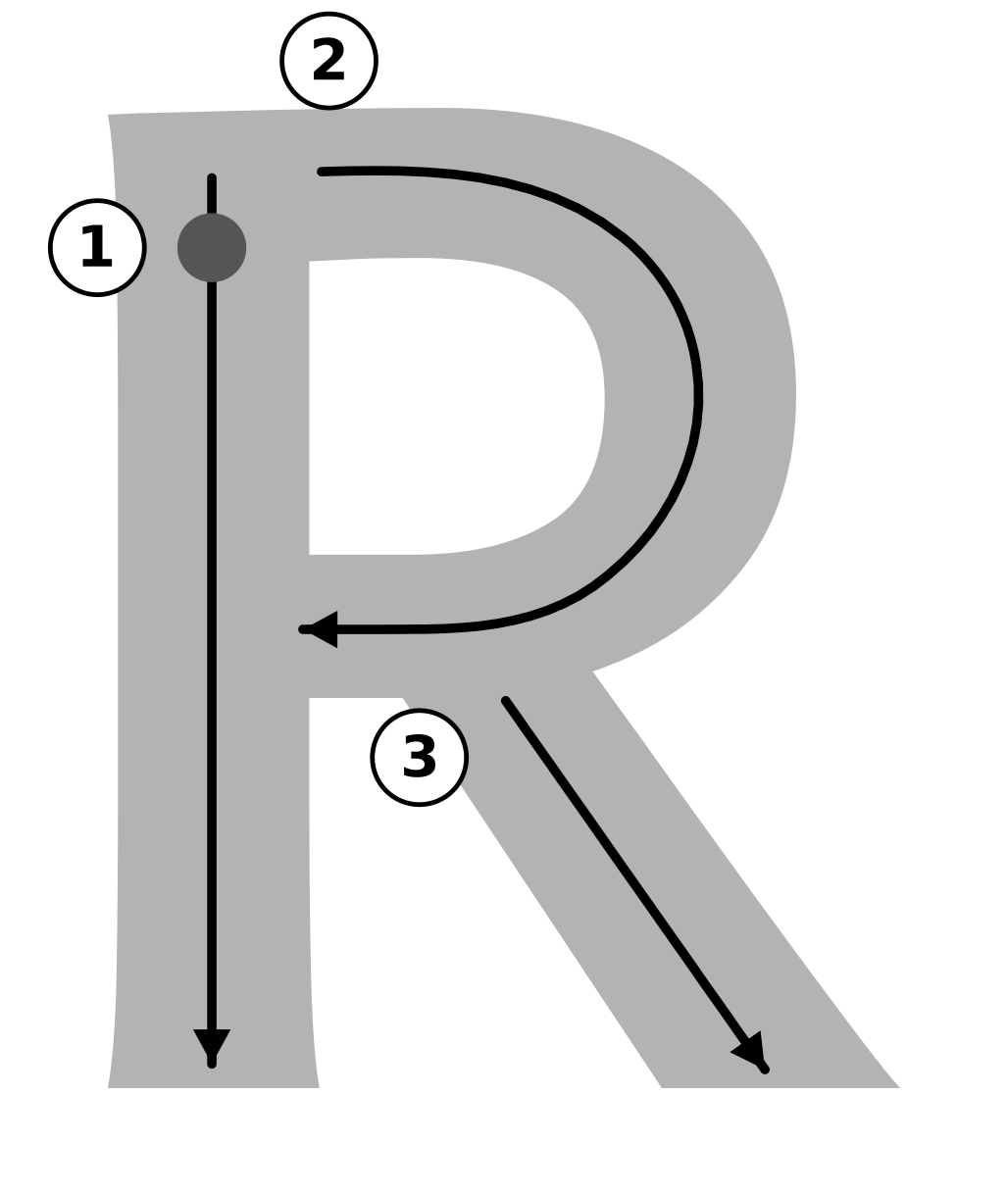
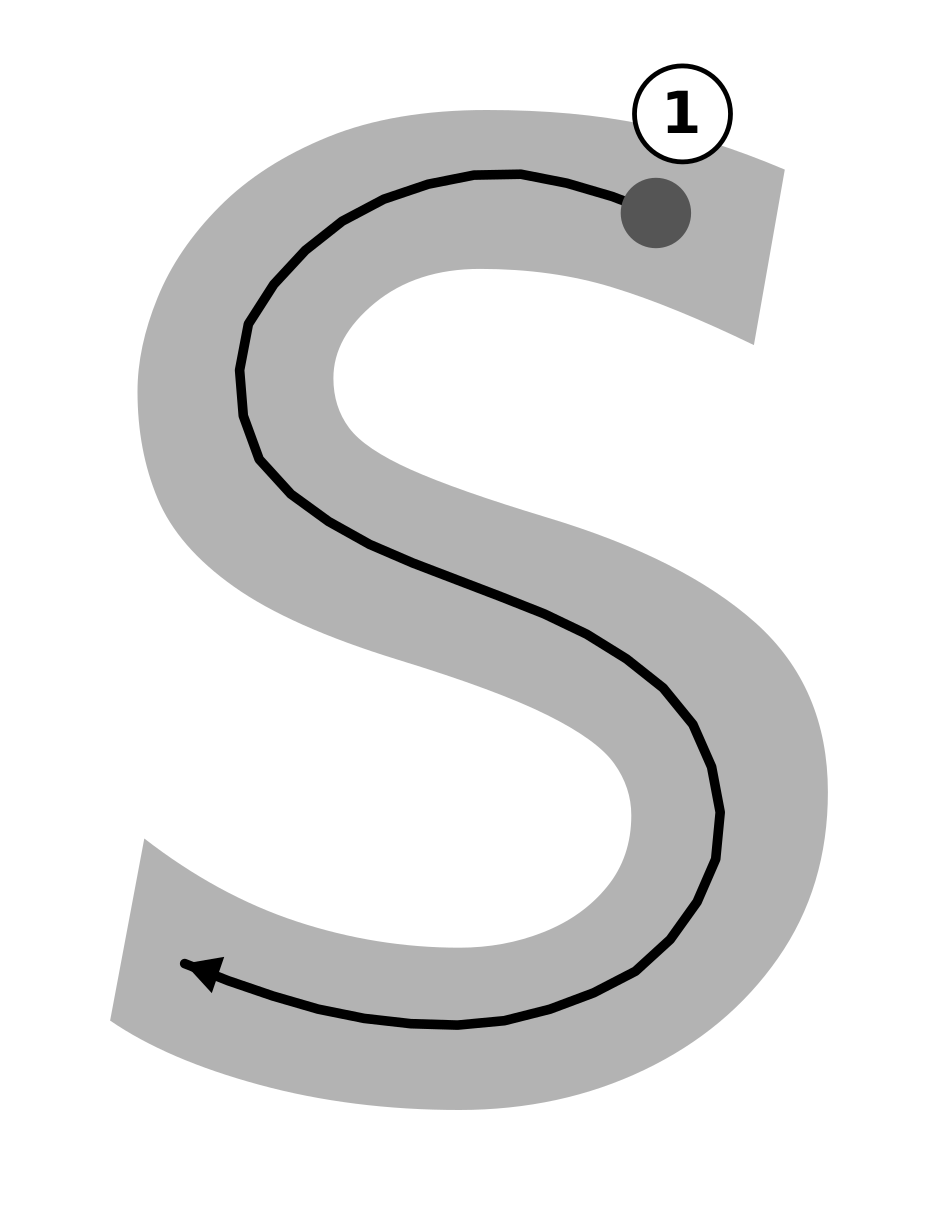
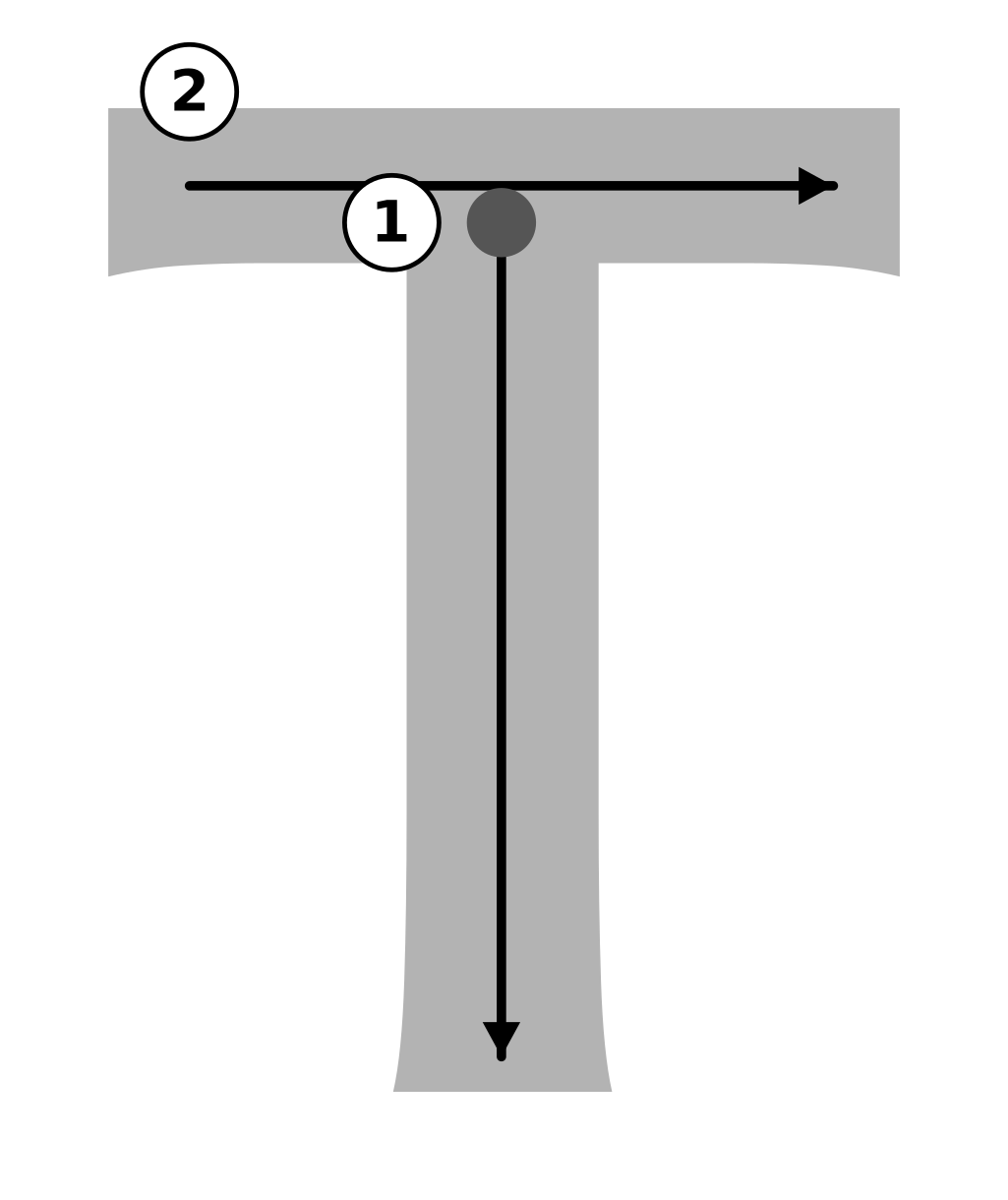
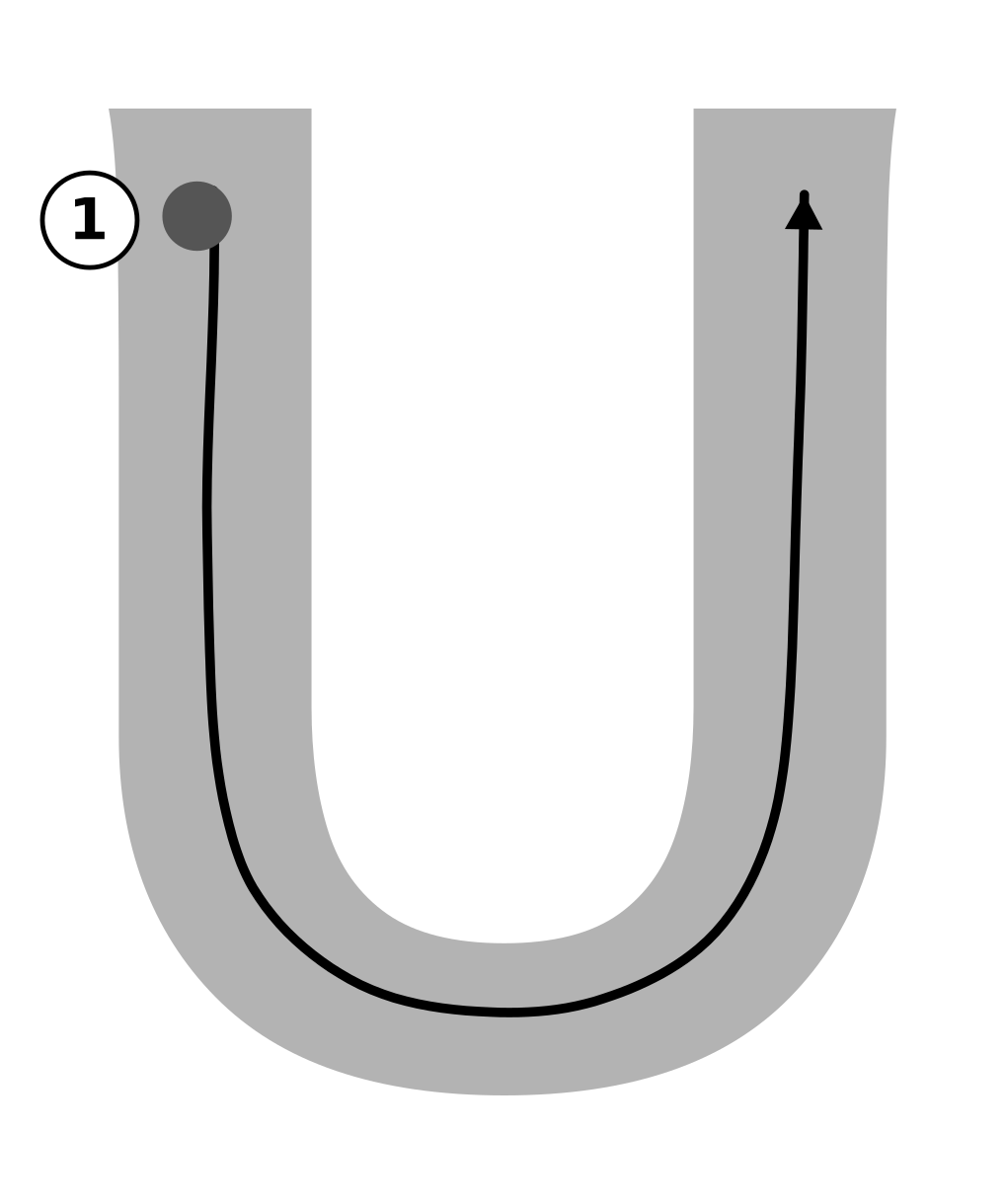
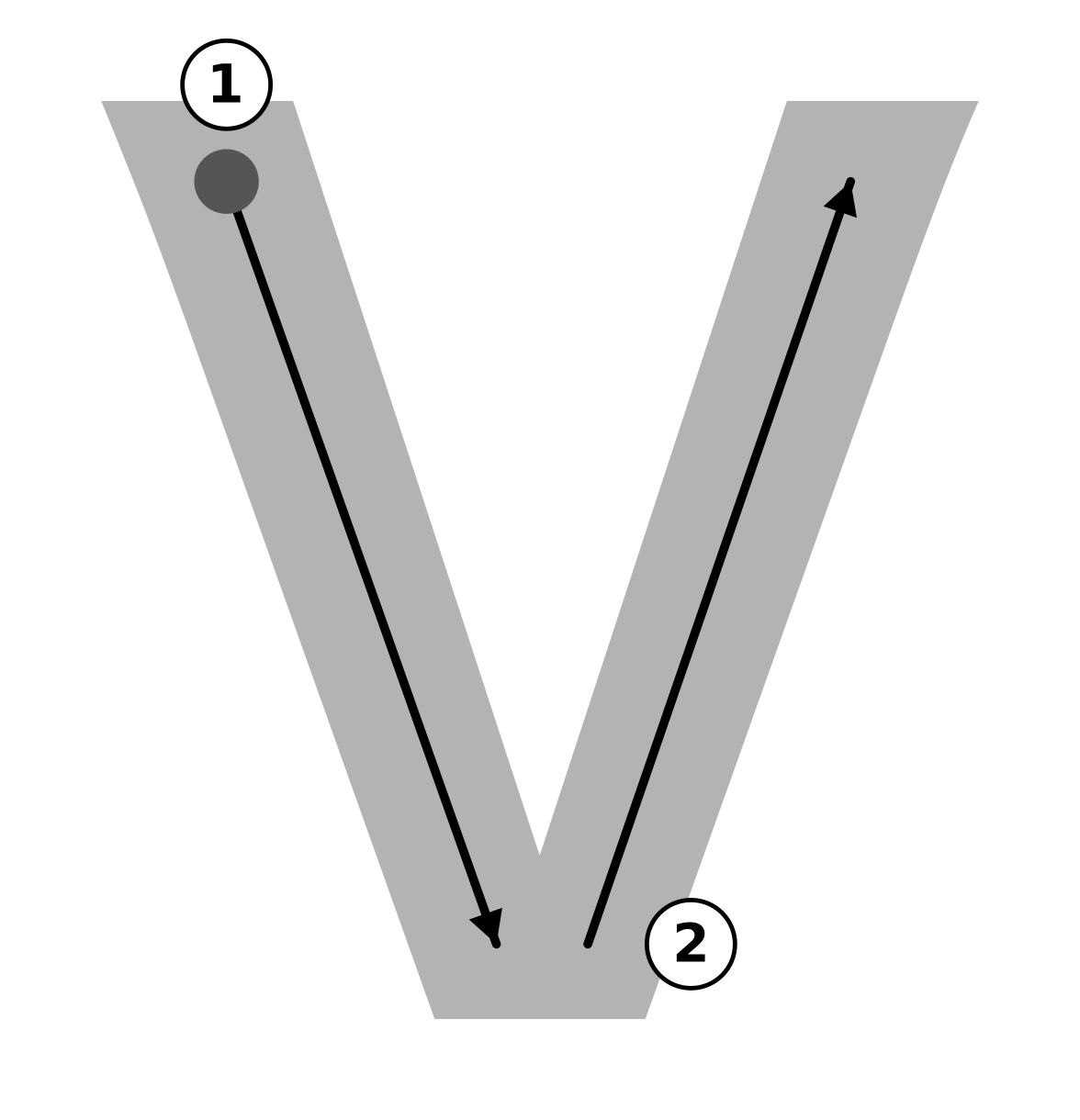
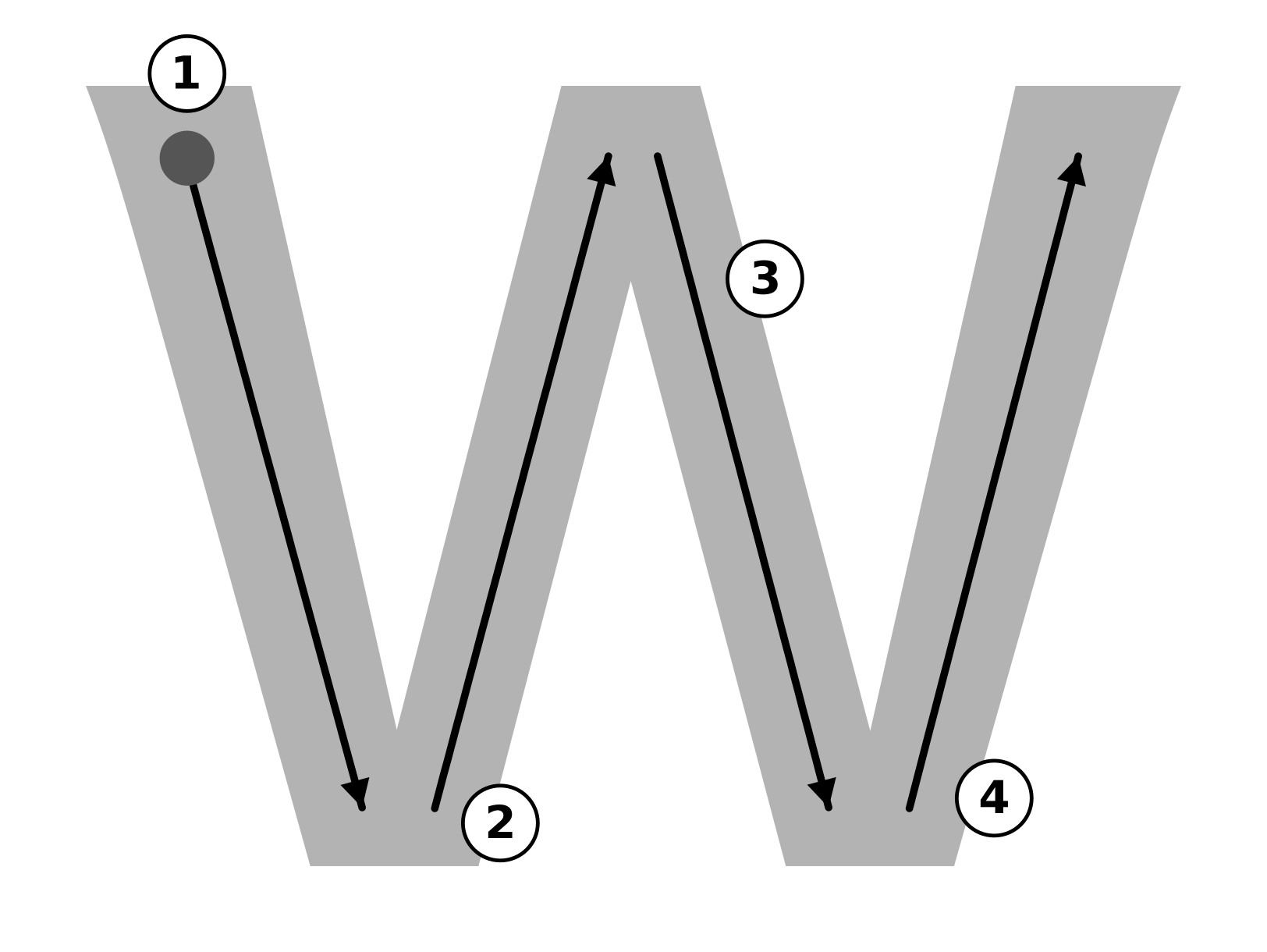
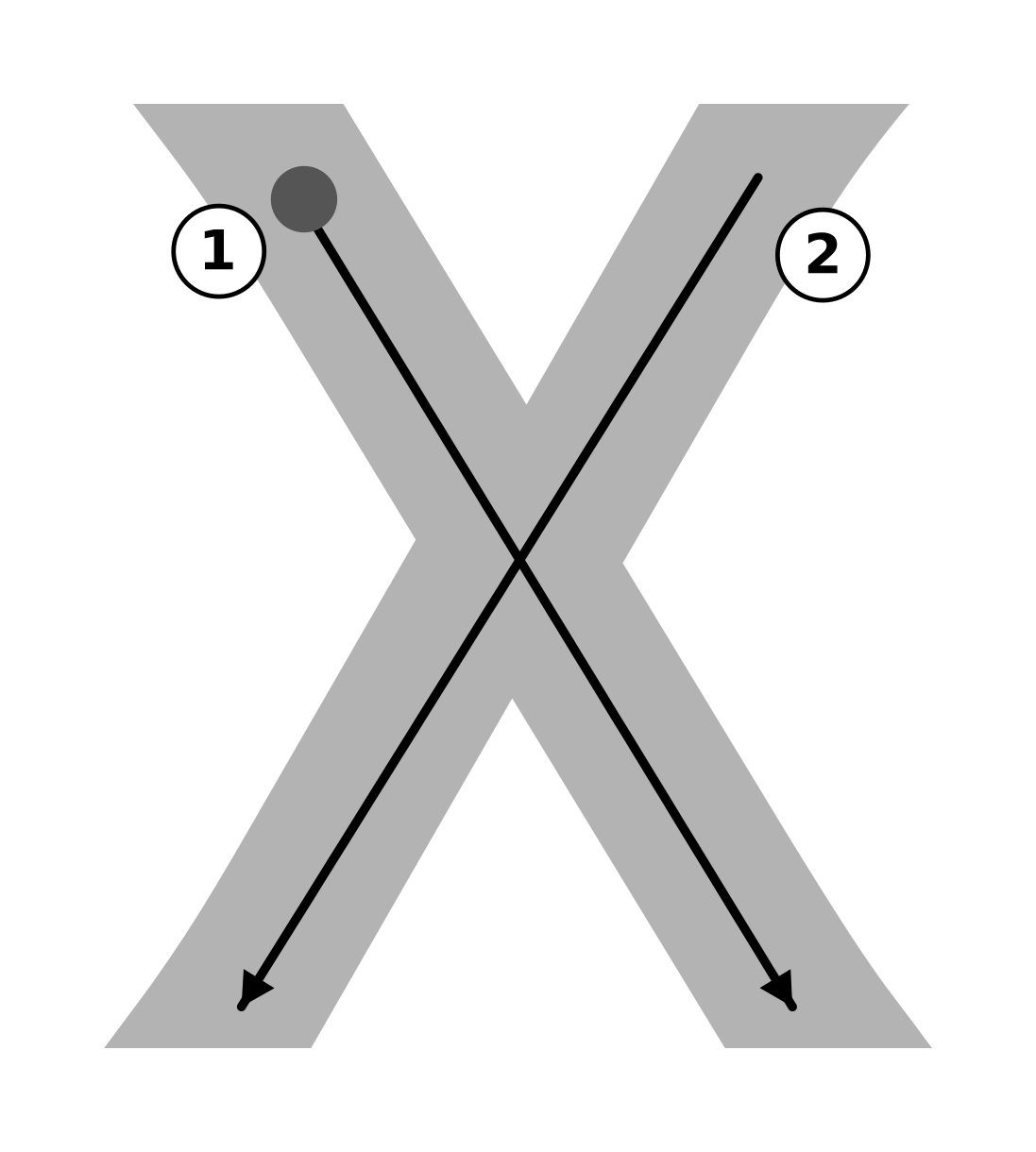
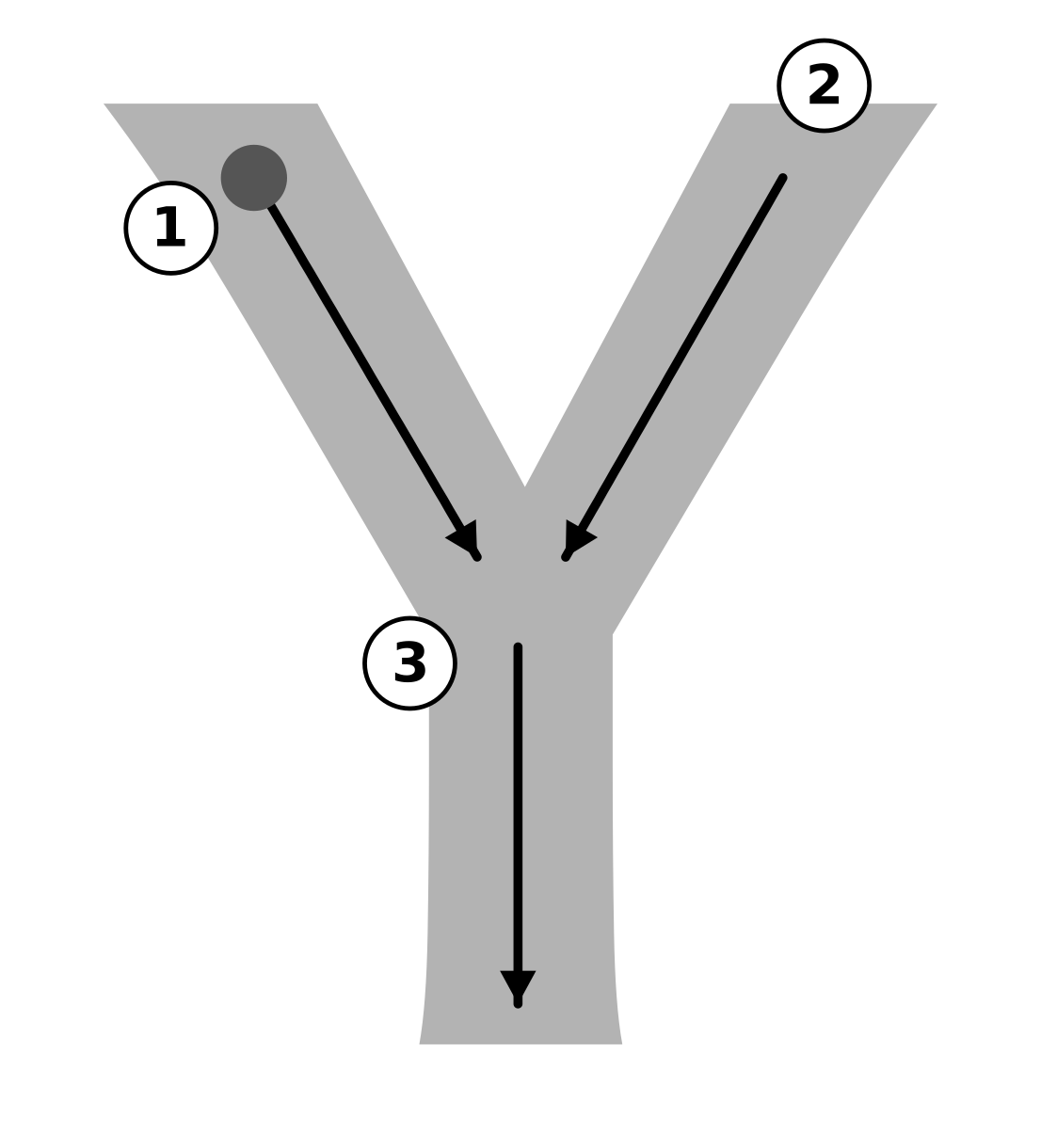
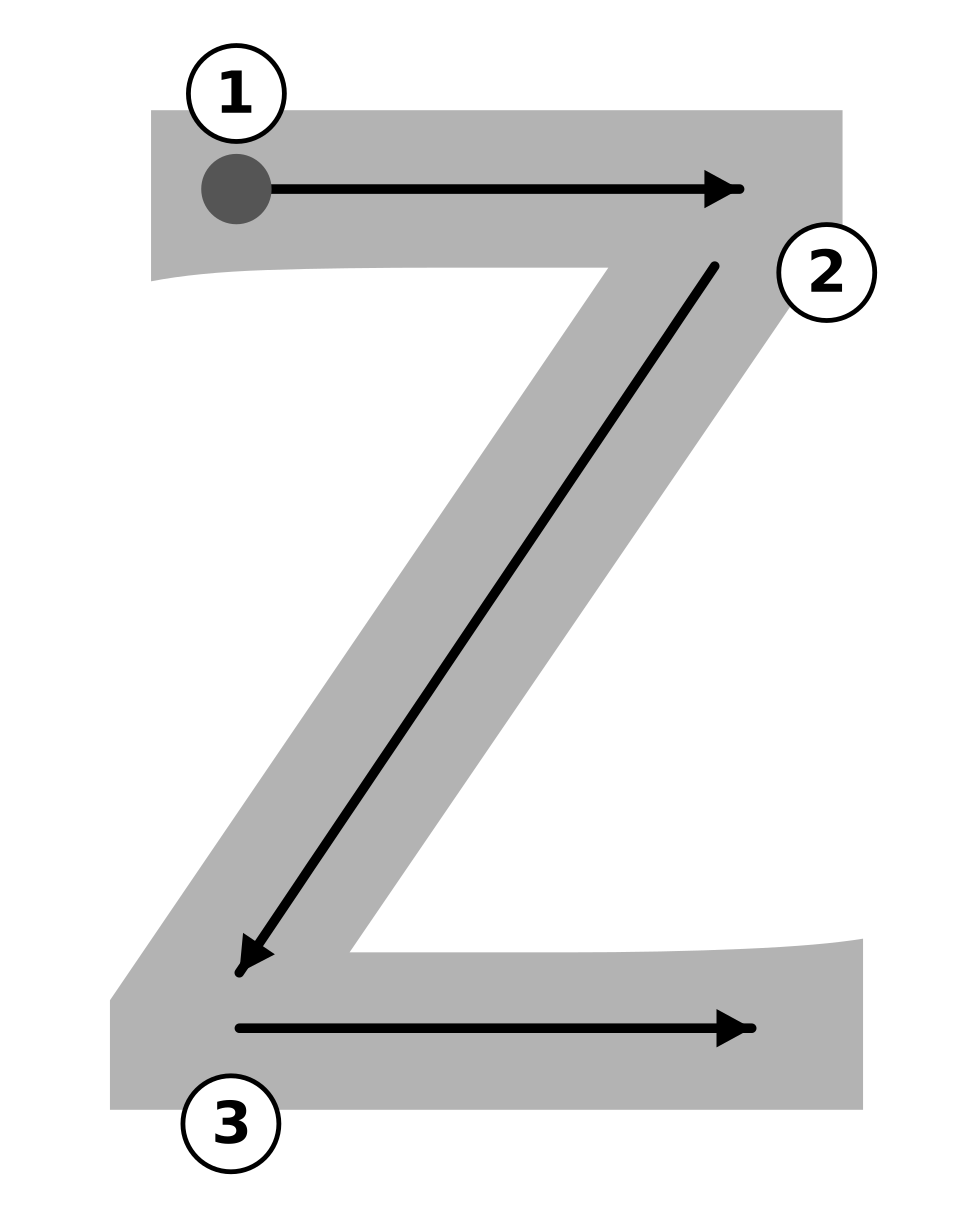
Every capital from A to Z as Book 1 draws it: start at the dot, and follow the arrows in the order of their numbers.
Sources
- Jones, M. N., and Mewhort, D. J. K. (2004). Case-sensitive letter and bigram frequency counts from large-scale English corpora. Behavior Research Methods, Instruments, and Computers, 36(3), 388 to 396.
- Pence Turnbull, K. L., Bowles, R. P., Skibbe, L. E., Justice, L. M., and Wiggins, A. K. (2010). Theoretical explanations for preschoolers’ lowercase alphabet knowledge. Journal of Speech, Language, and Hearing Research, 53(6), 1757 to 1768.
- Treiman, R., and Kessler, B. (2004). The case of case: children’s knowledge and use of upper- and lowercase letters. Applied Psycholinguistics, 25(3), 413 to 428.
- Treiman, R., Gordon, J., Boada, R., Peterson, R. L., and Pennington, B. F. (2014). Statistical learning, letter reversals, and reading. Scientific Studies of Reading, 18(6), 383 to 394.
- Learning Without Tears. Why are capitals taught first? The publisher of Handwriting Without Tears, on its own teaching order.
- Zaner-Bloser. Why Zaner-Bloser? Groupings, patterns, and progress. The publisher on how its manuscript letters are grouped.
- Department for Education (2013). National curriculum in England: English programmes of study, Year 1, handwriting.